US relations with Morocco have grown warmer under Trump, while ties with Spain have cooled. The White House's stance on migration and military cooperation has deepened the divide. Madrid faces new diplomatic challenges.
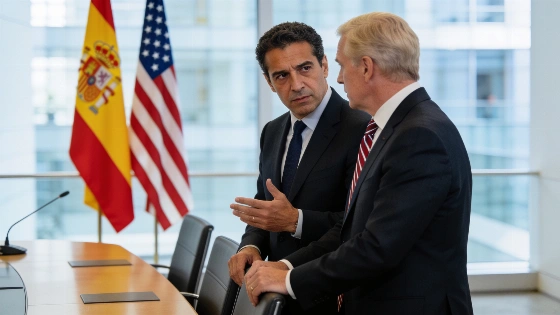
US foreign policy under Donald Trump has taken a sharply divergent path in its dealings with Morocco and Spain, with Washington showing clear preference for Rabat while relations with Madrid have become increasingly tense. The contrast is evident in both public gestures and official statements, as the Trump administration strengthens its alliance with King Mohamed VI and distances itself from the Spanish government led by Pedro Sánchez.
One of the most visible signs of this shift is a prominent post on Trump's Truth social network, where he thanks Mohamed VI for naming a major Moroccan highway after him. The post, which highlights the long-standing ties between the two countries, has remained pinned for a week, underscoring the importance Trump places on the relationship. The video attached to the post recalls Morocco's early recognition of the United States in 1777 and the enduring diplomatic connection, now symbolized by a 1,055-kilometer highway project costing nearly 850 million euros.
Diplomatic warmth between Washington and Rabat intensified after Trump recognized Moroccan sovereignty over Western Sahara in December 2020, a move that broke with previous US policy and directly affected Spain, the former colonial power in the region. In exchange, Morocco became the first Arab nation to join the Abraham Accords, normalizing relations with Israel. Since then, both governments have exchanged frequent gestures of support, and US-Moroccan cooperation has expanded in defense and economic spheres.
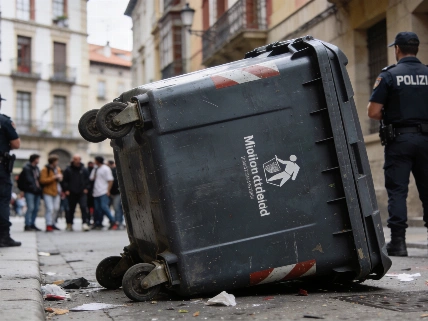
In contrast, the US relationship with Spain has deteriorated. Tensions escalated after the Spanish government, led by Pedro Sánchez, condemned a mass crossing of Moroccan youths into Ceuta as a violation of Spain's territorial integrity. The White House response was notably unsympathetic, with the US State Department, headed by Marco Rubio, criticizing Spain's handling of migration and suggesting Madrid had facilitated illegal flows into Europe. While the department expressed support for the Spanish people, the message carried more reproach than solidarity.
Trump's administration has also clashed with Spain over military and defense issues. The US president has threatened tariffs in response to Spain's refusal to raise military spending to 5% of GDP, as required by NATO. Further friction arose when Spain denied US requests to use the joint military bases at Rota and Morón de la Frontera for operations related to the conflict with Iran. Sánchez's support for Palestine and criticism of Israel, a close Trump ally, have further strained ties. Trump has gone so far as to label Spain a "terrible ally" and threatened its status within NATO.
The diplomatic divide is also reflected in congressional actions. A recent US congressional report controversially listed Ceuta and Melilla as Moroccan territory "under Spanish administration," nearly sparking a crisis. The language was introduced by Mario Díaz-Balart, a Florida Republican with ties to the pro-Morocco caucus. Meanwhile, conservative think tanks close to the White House have published articles urging Morocco to assert claims over the Spanish enclaves, fueling unease in Madrid.
Military cooperation between the US and Morocco has reached new heights. In May, the US organized the African Lion military exercises in Western Sahara for the first time. Morocco has increased its purchases of US defense equipment and was the first Arab country to join Trump's controversial Peace Board for Gaza. The move drew international criticism for bypassing the UN and concentrating power in Washington's hands. Morocco also became the first Arab nation to send security forces to Gaza under this initiative.
For additional context, the recent crisis in Ceuta, where tens of thousands crossed the border from Morocco, has been a flashpoint in Spain's relations with both Rabat and Washington. As reported in coverage of King Felipe VI's call for action after the Ceuta border crisis, the incident has put further pressure on Spanish authorities and highlighted the diplomatic challenges facing Madrid.
Spain's position is complicated by the broader geopolitical landscape. The US-Morocco partnership is driven by mutual interests in security, rare earth resources, and influence in the Sahel and Strait of Gibraltar. For Spain, the shift in US policy raises concerns about territorial integrity, migration management, and its standing within NATO. The ongoing disputes underscore the fragility of alliances and the impact of global power shifts on regional stability. As the situation evolves, Spain must navigate a complex web of diplomatic, military, and economic pressures, balancing its own interests with those of its allies and neighbors.