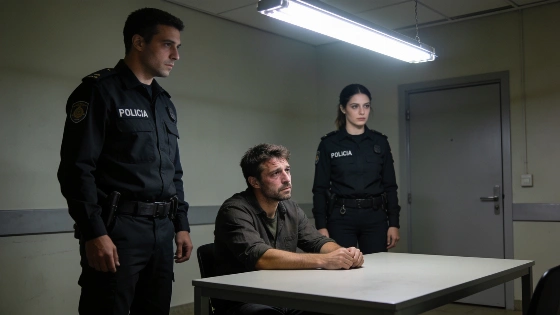
A technician preparing data for a high-profile Ceuta immigration report was questioned by police for twelve hours without legal counsel. The episode exposes deep tensions over control of evidence and the shaping of official narratives in Spain’s most sensitive border crisis.
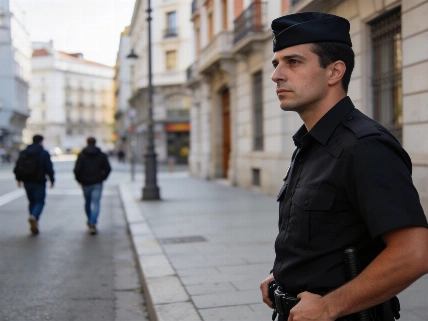
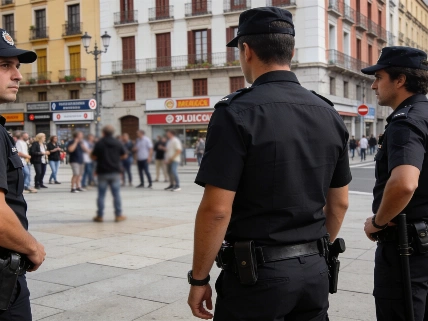
On a Sunday evening in Madrid, two National Police intelligence officers showed up at the home of a subcontracted technician. He was working remotely for a security firm hired by the Ministry of the Interior. His children were with him. The officers asked for his voluntary cooperation. He refused to leave his kids alone. That brought a child protection officer to the door. Sources called the scene "science fiction."
Police took the technician to the station at 20:00. He stayed there until 08:00 the next morning. No lawyer was present. He refused to answer some questions, citing confidentiality tied to his Ceuta work. The session was intense. People close to the case say this was extreme for someone not under arrest.
In late September and early October 2026, Judge María Tardón summoned Ceuta's president Juan Jesús Vivas and former government delegation chief Gonzalo Sanz for witness testimony as the investigation expanded.
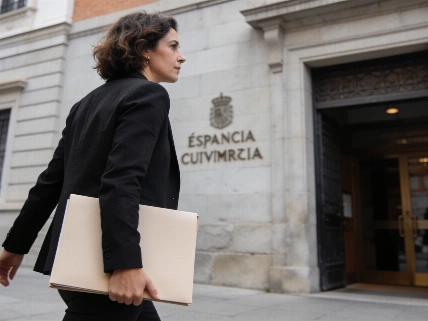
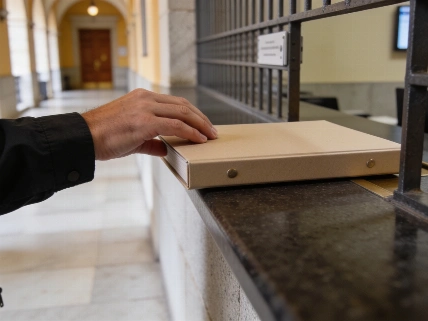
The technician had worked on a report for Judge María Tardón of the Audiencia Nacional. The report aims to clarify what happened during the mass crossing of migrants into Ceuta at the end of July. Judge Tardón had shielded police officers on the case from reporting to their direct bosses. Now, new investigations have started. These are reportedly led by officers close to the leadership picked by Fernando Grande-Marlaska. The National Police say they are only collecting statements about entry points and asylum files. They deny questioning witnesses. But the investigation depends on technical evidence—security camera footage, biometric records, and other sensitive data. Subcontracted IT specialists like this technician handle that work.
Security camera images from Ceuta during the border breach are expected to be key in the final report. Some sources believe the recent police actions are meant to steer the outcome. They want to keep control. With protected officers out of reach, focus has shifted to subcontractors. One source put it bluntly: "They do not want surprises. They want to control the story and prevent the case from slipping out of their hands."
According to RTVE and other Spanish media, the Audiencia Nacional is now treating the mass entry into Ceuta as a potential 'serious attack on territorial integrity,' with the investigation focusing on whether the event was spontaneous or organized, including possible planning and active guidance by Moroccan security forces.
After the interrogation, the technician asked for medical leave. He also requested a new assignment within his company. He said he was afraid and stressed. People close to him say the public needs to know what happened. They warn that, without an official record of his statement, he is exposed. The episode has fueled fears that the final report to Judge Tardón could be manipulated. Some even worry about outright coercion.
The investigation started after the mass entry of migrants into Ceuta on July 30 and 31. On August 3, Judge Tardón ordered several reports from the National Police and other agencies. She wanted to know if a criminal group organized the event. She also asked the Guardia Civil if they had received any warnings. The National Police’s Center for Immigration and Borders (CENIF) produced a 55-page report with video annexes. It pointed to Moroccan agents managing the border breach. This angered Marlaska, who found out through the media. He demanded answers from police director general Francisco Pardo. Pardo denied that the report blamed Moroccan forces for planning or execution. The Guardia Civil’s five-page report avoided the main issues and offered little detail.
The legal process began after a complaint from the Iustitia Europa party. That same day, Ceuta’s government raised the official death toll near the Tarajal breakwater to 88. The number of migrants still in Ceuta is unclear. Local president Juan Vivas estimates about 8,000 remain. Judge Tardón has since ordered a dozen reports. Some may be softened by the government. Others could contain facts uncomfortable for Morocco. So far, only two reports have been delivered: one from a subcontracted aerial imaging firm and another from the Prime Minister’s office. The latter included documents declassified by Pedro Sánchez. These show that the CNI did warn Ceuta’s government delegate about the coming crisis. The PSOE reads the documents differently.
This case exposes a fierce fight over information and narrative in Spain’s most sensitive border crisis. The pressure on a subcontracted technician—outside normal legal protections—shows how far authorities will go to shape the official story before it reaches court. As the investigation continues, how evidence is handled and how those managing it are treated will test Spain’s transparency and institutional integrity on migration and border security.