The Servicio Extremeño de Salud has identified two more West Nile fever cases in Extremadura. This brings the 2026 total to 48, with two deaths. Several patients remain hospitalized across the region.
The Servicio Extremeño de Salud (SES) has confirmed two more cases of West Nile fever in Extremadura, bringing the region’s total for 2026 to 48 infections and two deaths. The new cases involve a 40-year-old man from Salvaleón and a 58-year-old woman from Villanueva de la Serena, both identified in the Badajoz and Don Benito-Villanueva de la Serena health areas. Neither patient needed to be admitted to hospital, but several people with severe symptoms are still receiving care.
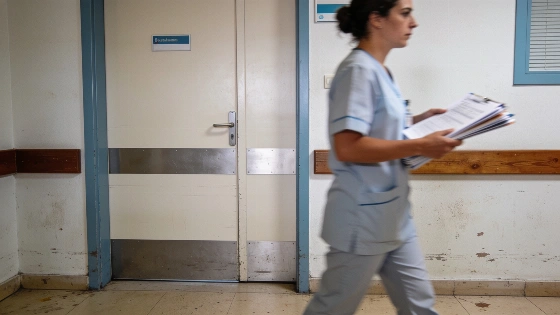
At present, three patients remain hospitalized at Hospital Don Benito-Villanueva, two at Hospital Universitario de Cáceres, and one at Hospital de Mérida. One of the new cases was detected through blood screening by the Banco de Sangre de Extremadura, which continues to play a key role in monitoring the outbreak. The SES reports that neither of the latest cases has required intensive care, but the ongoing presence of the virus means health authorities remain alert.
According to official data, around 80% of human West Nile virus infections are asymptomatic, making expanded detection and diagnosis crucial for outbreak control.
Servicio Extremeño de Salud
West Nile fever, spread mainly by mosquitoes, has become a recurring problem in parts of Spain. Extremadura has seen a noticeable increase in cases this year. The illness can range from mild, flu-like symptoms to serious neurological complications. Outbreaks are more likely during warmer months, when mosquito activity is highest. The SES continues to monitor the situation and urges residents to take precautions and report any symptoms quickly.
Most cases have not required hospital care, but the two deaths this year show the infection can be severe. The regional health response includes increased surveillance, public information campaigns, and targeted mosquito control. These steps are meant to limit further spread and protect people in areas where mosquito exposure is greatest, especially in rural and peri-urban communities.
By mid-September, independent reports confirmed that the number of hospitalized West Nile fever patients in Extremadura had risen to six, with new cases matching the key geographic and clinical details previously reported by SES. This reflects a broader trend across Spain, where hundreds of confirmed cases have been recorded nationally since early September, highlighting the need for interregional monitoring.
Independent media and national health statistics
Extremadura’s experience with West Nile fever highlights the region’s ongoing need for strong disease monitoring and rapid response. As seen in previous coverage of local institutions, the ability to adapt quickly remains essential. The SES’s open reporting and active detection efforts set a standard, but the steady appearance of new cases shows that the fight against mosquito-borne diseases is ongoing. This year’s numbers are a reminder that even with better protocols, public health threats can escalate quickly if vigilance slips or resources are stretched.