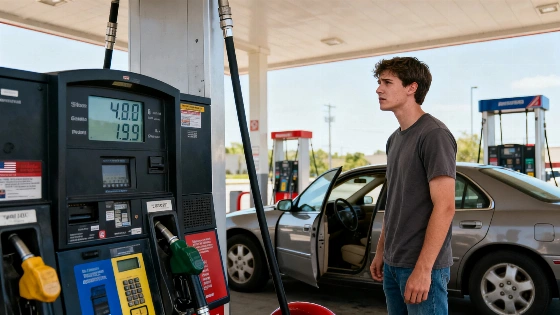
US Inflation Accelerates Amid War With Iran and Rising Energy Prices. The US has seen a sharp rise in inflation against the backdrop of the conflict with Iran. Fuel and food prices continue to climb, while approval for the White House’s economic policy is declining. Authorities promise long-term improvements, but the situation remains tense.
The United States has recorded the highest inflation rate in the past three years. The main cause is cited as the military conflict with Iran, which resulted in disruptions to oil supplies through the Strait of Hormuz and a rise in energy prices. Despite a slight decrease in gasoline prices, experts do not expect a return to previous levels in the near future. At the same time, food and utility costs are increasing, and the Federal Reserve is preparing to raise the key interest rate, which could further increase borrowing costs for households.
According to Reuters/Ipsos, less than a quarter of Americans approve of President Donald Trump’s efforts to curb the rising cost of living. The White House insists that inflation will fall after the situation in the Middle East stabilizes and unrestricted oil exports resume. Authorities point to lower drug prices and reduced tax burdens, but acknowledge the limited tools for directly impacting the fuel market. Attempts to introduce a gasoline tax holiday were not implemented, and military actions did not lead to the reopening of the Strait of Hormuz.
Among the immediate risks are further increases in the prices of goods and services due to high fuel costs, as well as a possible rise in mortgage and other loan rates. Wall Street notes that inflation is already negatively affecting Americans' real incomes. At the same time, administration representatives urge the public to consider the long-term benefits of current policies and promise to restore economic stability after the conflict with Iran ends.
According to Rystad Energy, the global oil market is missing out on more than a billion barrels of crude, and even a partial reopening of the Strait of Hormuz will not quickly compensate for these losses. Fuel inventories in storage are shrinking, and further strikes on infrastructure could push prices even higher. Against this backdrop, the yield on ten-year US government bonds has exceeded 4.5%, reflecting expectations of further inflation growth. According to CME Group, the probability of a Fed rate hike by the end of the year is estimated at 67%.
For reference: the Strait of Hormuz is a key route for global oil trade, through which a significant share of exports from the Persian Gulf countries passes. Any disruptions to its operation are immediately reflected in global energy prices. In recent years, inflation in the US has remained relatively stable, but military action and disruptions in raw material supplies have sharply changed the market situation.