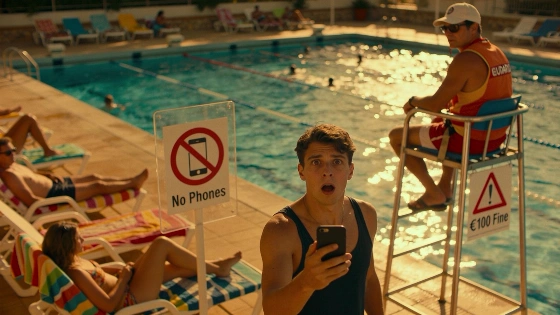
Using a smartphone at a public pool in Spain may breach the facility’s rules, but no single nationwide law automatically fines visitors for carrying or using a phone. Conduct rules and financial penalties depend on the relevant municipal regulations and the pool operator’s conditions. Any €1,500 penalty would need to be grounded in the rules at that particular facility, rather than a general national ban.
Pool operators can restrict loud music, photography or phone use in specified areas. They may also require visitors to use headphones, put devices away or leave the facility if they breach posted conditions. These measures are distinct from an administrative fine imposed under data-protection law. Check the pool’s rules before entering, since restrictions and consequences vary by municipality and operator.
Photos and Videos: Privacy and Facility Rules
Photography may be prohibited in areas such as changing rooms, toilets and showers, and some facilities extend restrictions to the pool deck or other shared spaces. These rules aim to protect visitors’ privacy, particularly that of children, and may require phones to be kept in a locker or bag. A facility can enforce its own access conditions, including asking a visitor to stop recording or leave, if its rules allow that response.
Taking a photograph, sending it privately and publishing it to a broad audience are not necessarily treated alike under Spanish data-protection law. The household-use exception may apply to images made for personal or domestic purposes, but it does not automatically cover publication to an indeterminate audience or conduct that infringes another person’s rights. Recording in intimate settings such as changing rooms raises distinct and serious privacy concerns. Consider a pool’s house rules separately from any applicable privacy or other legal protections.
Data Protection and Penalties
Spain’s Organic Law 3/2018 on Personal Data Protection and Guarantee of Digital Rights operates alongside the EU General Data Protection Regulation. An identifiable image can constitute personal data, but that does not mean every photograph taken with a private phone automatically results in an AEPD fine. The legal assessment depends on the circumstances, including the setting, how the image is used or shared and whose rights may be affected.
A reported €2,000 AEPD sanction involved a homeowners’ association whose security-camera footage was circulated on WhatsApp* (принадлежит Metа, которая признана экстремистской организацией и запрещена в РФ). It concerned the entity responsible for the camera system, not a swimmer taking an ordinary photograph at a public pool. It is not evidence of an automatic pool-related fine for individual phone users.
What Can Lead to Consequences?
Possible consequences depend on the facility rules that apply and the facts of the incident:
- Playing music or videos aloud: the pool may restrict this conduct or require headphones under its conditions of use.
- Taking photos or recording other swimmers: facility rules may prohibit recording in designated areas or across the premises.
- Breaching pool rules: consequences may include being asked to stop, leaving the facility or losing access, where the applicable conditions provide for those measures.
- Sharing identifiable images: publication may raise separate data-protection or rights-related issues, depending on the circumstances.
The practical approach is to use a phone discreetly, follow posted rules, avoid recording other visitors and wear headphones for audio. If staff prohibit photography or phone use in a particular area, follow that instruction and check the facility’s conditions for the applicable consequences.
As Talent24h has noted, privacy concerns are especially prominent in public spaces where families and children gather. Visitors planning a summer trip to a public pool can check local rules and respect other swimmers’ privacy to help prevent disputes and avoid breaching the facility’s conditions.