Compromís demands answers after the El Saler wildfire spiraled out of control. Delays in prevention measures and resource gaps fuel criticism. The incident exposes deep flaws in Valencia’s fire management.
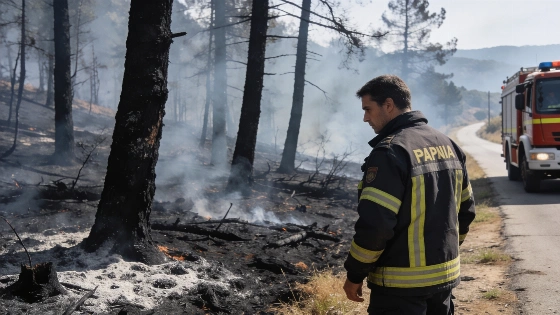
Valencia’s city government is under mounting pressure after the recent wildfire in the Devesa de El Saler, which burned more than 37 hectares and became the area’s most destructive blaze in four decades. The municipal group Compromís has called for an urgent appearance by Juan Carlos Caballero, the councillor responsible for fire prevention and response, demanding a clear explanation for why the firefighting operation lost control as wind conditions shifted—an event forecasted in advance by the national meteorological agency.
Compromís spokesperson Papi Robles has sharply questioned the city’s handling of the crisis, pointing to the rapid escalation from a minor outbreak to a major disaster. She insists that Caballero, a key figure in the administration led by María José Catalá, must clarify how resource decisions were made and why the response faltered at a critical moment. The coalition also highlights that the local residents’ association has raised concerns about coordination failures and is calling for political accountability.
Further criticism comes from the Socialist group, which accuses the city government of halting a project to install 40 water cannons around El Saler’s buildings—a measure intended to bolster fire protection. Socialist councillor Elisa Valía notes that, despite Catalá’s public commitment in late 2023 to expand the system, no concrete project or budget allocation has materialized. She points out that, over three years, not a single euro from the nearly €24 million available for fire prevention was spent on this promised expansion.
Compromís also draws attention to the low execution rate of investments by the Devesa-Albufera Service, which stood at just 5.44% as of July 31. Meanwhile, the Vox-led department reportedly declined to apply for regional fire prevention funds this year. The coalition argues that these patterns—low investment, missed funding opportunities, and questionable operational decisions—paint a picture of a government failing to prioritize fire safety in a vital natural area.
Adding to the controversy, an internal report signed by Caballero himself acknowledges that the fire department currently has 122 unfilled firefighter positions, along with significant shortages in supervisory and communications roles. This staffing gap, the report admits, makes it impossible to scale up available personnel hours when emergencies strike.
After the fire, authorities reopened the CV 500 and 401 roads and restored public transport and beach access in the affected zone. The blaze, which started on Thursday and was brought under control by Saturday evening, forced temporary closures and mobility restrictions that were lifted late Sunday night. The technical unit responsible for forest fire prevention confirmed that the area burned exceeds any incident since the major fire of 1986.
Since Catalá took office, Devesa de El Saler has experienced a troubling sequence of 19 fires or fire outbreaks, recorded between July 2023 and 2026. The frequency and severity of these incidents have intensified scrutiny of the city’s preparedness and response strategies. The situation in Valencia echoes broader concerns about infrastructure and crisis management in Spanish cities, as seen in other recent disruptions such as the metro sinkhole in Barcelona, which forced prolonged evacuations and highlighted the challenges of urban emergency response. For more on how infrastructure failures can impact residents, see this report on Barcelona’s metro collapse and its aftermath.
Wildfires remain a persistent threat in Spain, particularly in regions like Valencia where climate conditions and urban encroachment increase vulnerability. The El Saler incident has reignited debate over the adequacy of local prevention measures, the allocation of public funds, and the political will to address long-standing risks. As the city recovers, calls for transparency and reform in fire management are likely to intensify, with both opposition parties and local residents demanding concrete action to prevent future disasters.