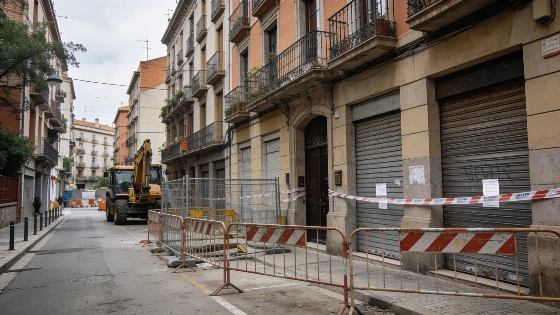
Dozens remain unable to return to their homes in Sant Gervasi after a metro sinkhole. Repairs will keep three buildings evacuated until at least January. Authorities cite ongoing ground consolidation as the main cause.
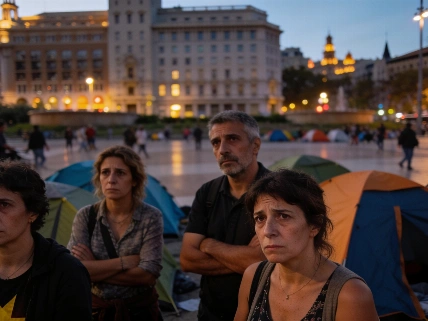
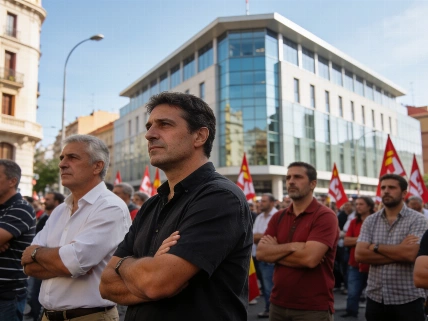
Residents of three apartment buildings in Barcelona’s Sant Gervasi district will not be able to return home until at least January, following the metro sinkhole that forced evacuations eight weeks ago. The Generalitat confirmed on Friday that ongoing ground stabilization works are taking longer than initially hoped, leaving dozens of families in limbo well past the Christmas period.
The incident, which occurred along the L9 metro line, affected eight buildings in total. While half of the evacuated residents have already returned, four buildings remain off-limits. Only one of these, Teodora Lamadrid 5, is expected to be reoccupied by mid-October. The other three—Teodora Lamadrid 3 and Rubinstein 2 and 4—will stay empty until early next year, with 18 households still displaced. Rubinstein 2, also known as Teodora Lamadrid 1, suffered the most severe structural damage, especially after a large crack appeared at the end of July.
Officials from the Generalitat, including Ramon Ramírez, director general of Infrastructure, stressed that safety remains the top priority. Ramírez explained that the process of injecting concrete to stabilize the ground is progressing slowly, as the soil can only absorb so much material at a time. This technical challenge is the main reason for the extended timeline, particularly for the building at Rubinstein 2, which sits at a critical corner near the Sant Gervasi market.
In the initial weeks after the collapse, engineers focused on assessing the extent of the damage and isolating the affected area. Now, the main task is to restore the ground to its previous condition, a process complicated by the volume of material required and the unpredictable nature of the terrain. Residents like Miren Atela, who lives at Rubinstein 2, say the prolonged stay in hotels is taking a toll, especially as daily routines resume after summer holidays. She notes that communication from authorities has been sporadic, and the inability to access her home—even briefly—has made daily life more difficult. Offers of alternative accommodation have not met her needs, and she admits the situation is beginning to affect her mental health.
Meanwhile, 40 meters underground, the tunnel boring machine remains halted at the spot where work stopped on July 7, according to the Department of Territory. The company Infraestructures, responsible for the project, continues to oversee the complex repairs. The situation in Barcelona echoes other recent infrastructure challenges in Spain, where delays and safety concerns have forced authorities to prioritize long-term stability over quick fixes. For example, a recent report on Ceuta’s security forces highlighted how unexpected crises can expose gaps in planning and response.
Barcelona’s metro expansion has been a major urban project, but incidents like the Sant Gervasi sinkhole underline the risks of large-scale underground construction in densely populated areas. The L9 line, still incomplete after years of work, has faced multiple setbacks. For affected residents, the current focus is on clarity and support as they wait for the all-clear to return home. The city’s experience may prompt further scrutiny of safety protocols and contingency planning for future infrastructure works.