The documentary 29-0 DANA reveals the pain and outrage of families who lost loved ones in the 2024 Valencia floods. Director Juanjo Castro uses official records and raw testimony to challenge the political narrative. The film reignites calls for accountability.
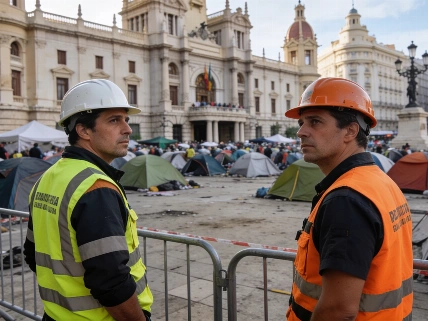
Nearly two years after the 29-0 DANA floods in Valencia, families of the 232 victims are still searching for answers. The new documentary 29-0 DANA, directed by Juanjo Castro, puts their grief and frustration at the center, cutting through the official statements that have dominated since the disaster.
The film opens with Carlos Mazón, then president of the Generalitat, defending his administration in Les Corts and distancing himself from blame. It ends with his resignation on December 3, after public anger grew, especially following the state funeral for the victims. While Mazón is a constant presence, Castro quickly shifts focus to the families, whose blunt, personal accounts break through the political noise.
According to La Vanguardia, the court in Catarroja is considering adding eight more deaths to the official DANA flood toll, which could raise the number of victims from 232 to 240.
Castro, who previously made 7291 about Madrid’s pandemic nursing home deaths, was at first reluctant to take on the DANA story. He only decided to make the documentary after a proposed fiction project fell through. Building the film from scratch, he relied on official footage and testimony from parliamentary investigations to reconstruct the day’s events and show how political decisions played out with fatal results.
At a private screening in Valencia’s Yelmo Campanar cinema, families of the victims saw the film first. Their reactions, shown in the documentary, are direct and unsparing. One woman describes feeling abandoned by authorities; another talks about losing her mother-in-law in what she calls undeserved circumstances. These stories aren’t new, but Castro’s straightforward approach gives them new weight.
The documentary doesn’t just focus on emotion. It explains the bureaucracy behind the disaster: Cecopi’s role, the difference between warnings and alerts, and the timing of the Es-Alert message, which reached people at 20:11—after most deaths had already happened. The film relies on official documents and statements, grounding its account in verifiable facts rather than argument.
The Spanish Congress has scheduled a new hearing on the DANA floods for September 21, 2026, summoning former Generalitat president Carlos Mazón and ex-emergency deputy secretary Emilio Argüeso, who is also a defendant in the ongoing criminal case. Parliamentary sources cited by Infobae and Levante-EMV indicate that the commission aims to conclude its work by November 2026, in time for the second anniversary of the tragedy.
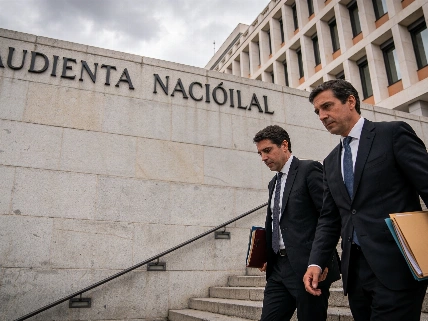
The legal process is still ongoing. Judge Nuria Ruiz Tobarra has just extended the criminal investigation by another six months, underlining how complex and unresolved the case remains. The documentary’s release comes as this extension is announced, adding pressure on officials to provide answers that have so far been missing.
Castro says his motivation isn’t ideological, even if his own views are clear. He sees the project as a civic duty: to document, to learn, and to help prevent future failures. Still, the choice of testimonies and editing inevitably shape the story—a reminder that all filmmaking is political, whether or not it claims to be.
The official premiere of 29-0 DANA is set for late October at Madrid’s Cines Verdi, with more screenings in Valencia on the second anniversary of the floods. The timing is intentional, keeping the tragedy in the public eye as families continue to demand accountability from those in power.
While the documentary is rooted in Spanish politics and society, its method—using official records and direct testimony—reflects a wider trend in investigative storytelling. As seen in previous investigations into legislative and technological risks, this approach is becoming standard for challenging official narratives and exposing uncomfortable truths.
What sets 29-0 DANA apart is its refusal to let the story end with resignations or bureaucratic delays. The film insists that the victims’ voices matter more than political self-preservation. In a country where public tragedies often fade into paperwork, Castro’s work is a reminder that accountability is about justice, not ideology. The ongoing legal case and the families’ persistence show that, for Valencia, the reckoning is not over—and the lessons of 29-0 DANA remain unresolved.