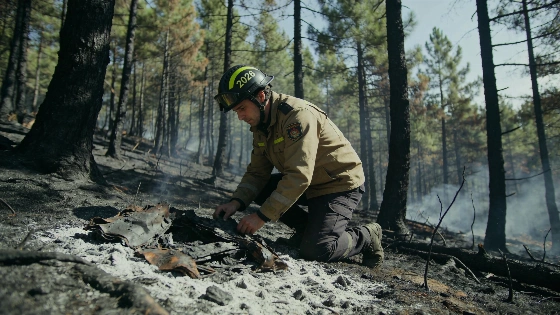
Valencia’s mayor insists the Devesa de El Saler fire was caused by arson. She defends the city’s response and details new measures to protect the area. Debate continues over water infrastructure and fire prevention.
The aftermath of the Devesa de El Saler wildfire has sparked a heated debate in Valencia, with Mayor María José Catalá firmly rejecting opposition criticism of the city’s response. Catalá maintains that the fire, which broke out last Thursday and became the second most severe in the natural park’s history, was the result of deliberate arson. She emphasized that responsibility lies solely with the perpetrator, not with local authorities, as confirmed by the ongoing investigation from the Seprona unit of the Guardia Civil.
Opposition groups have questioned the city’s preparedness, particularly the decision to halt the installation of water cannons intended to protect the Devesa. Catalá responded that the plan to install these cannons was only considered after the current administration took office in 2023. So far, 11 cannons have been set up to secure evacuation routes for residents in the apartment towers. However, she pointed out that expanding the system is limited by the lack of suitable water supply, noting that neither saltwater nor potable water can be used for this purpose. According to Catalá, installing more cannons without a reliable water source would be ineffective.
The mayor also highlighted ongoing efforts to improve fire prevention infrastructure. A €2 million water infrastructure plan, announced a year ago, is underway to support future phases of the project. Catalá argued that recent maintenance, including pruning and clearing, prevented the fire from spreading even more rapidly, given the strong winds at the time. She insisted that the city has implemented appropriate measures over the past three years to contain such incidents.
Addressing further criticism, Catalá called for a measured discussion about the city’s actions and the accusations from opposition parties. She noted that three aerial firefighting units were deployed before the wind shifted unexpectedly—earlier than forecast by Aemet. The use of fire retardant, which was tested in Devesa in 2025 but not repeated this summer, was also discussed. Catalá explained that the substance washes away with rain, making it impractical to expect long-term protection from a single application.
Looking ahead, the city is working with the Generalitat on a reforestation plan for Devesa and additional protective measures for the nearby village of El Saler. The mayor also called for stronger societal condemnation and judicial action against those who intentionally set fires in natural areas, arguing that current penalties are insufficient deterrents.
This incident has reignited debate over wildfire prevention and emergency response in Spain, a topic that has drawn national attention in recent years. Similar controversies have emerged elsewhere, such as in San Martín de Valdeiglesias, where local decisions about fire safety measures have also faced public scrutiny. For example, a recent dispute over fireworks in Madrid’s San Martín de Valdeiglesias highlighted the ongoing tension between tradition and fire risk management.
Wildfires remain a persistent threat across Spain, particularly in regions with dense forests and high summer temperatures. The Devesa de El Saler fire underscores the challenges local governments face in balancing prevention, rapid response, and long-term ecological recovery. As climate conditions continue to evolve, the effectiveness of municipal strategies and infrastructure investments will remain under close scrutiny from both residents and political opponents.