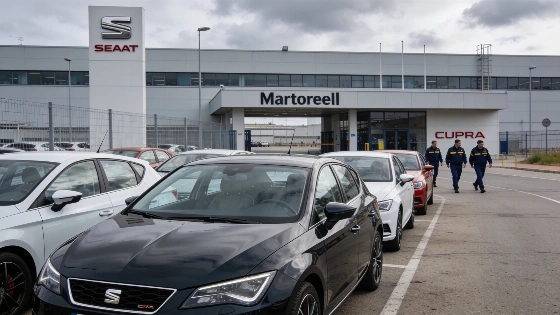
Volkswagen is reconsidering Seat’s future beyond 2030, citing the rising costs of electrification and stricter emissions rules. The group is focusing on Cupra for growth as it weighs whether to keep investing in the Spanish brand.
Volkswagen has put Seat’s long-term future in doubt, declining to guarantee the Spanish brand’s survival past 2030 as the company faces the rising costs of electrification and tightening emissions rules. The group says no final decision has been made, but the message is clear: Seat’s future depends on whether the numbers work in a changing car market.
While Cupra is now Volkswagen’s main focus for growth, Seat is caught between the financial and regulatory hurdles of launching new electric models. The company itself admits that keeping Seat competitive is becoming "increasingly complex" under current conditions. This is not just about product planning—it’s a direct response to stricter European emissions targets and the high costs of switching to electric vehicles.
Confidential documents cited by German business media indicate that Volkswagen plans to phase out the Seat brand by the end of 2029, with Seat excluded from the group’s strategic vision for 2030.
Volkswagen’s industrial presence in Spain is not under immediate threat, but the group is reviewing its brand lineup. Leadership has made it clear that Cupra will get priority for new models and resources, while Seat’s role is being reconsidered. As reported by elespanol motor, the company says "no decision has yet been taken" on Seat’s long-term future, but the tone suggests a tough review of the brand’s prospects over the next decade.
This isn’t the first time Volkswagen’s support for Seat has looked shaky. As previous reports have shown, internal plans have already pointed to a possible phase-out of the brand in favor of Cupra, with job cuts and a shift in strategy at the Martorell plant. The latest announcement only adds to those concerns, making it clear that Seat’s future now comes down to regulatory demands and financial calculations.
The stakes are high for workers, suppliers, and Spain’s auto industry. Seat has been a major part of the country’s car sector for decades, but Volkswagen’s priorities are shifting. Cupra’s fast rise shows the group’s push for higher margins and a more premium image, while Seat risks being left behind if it can’t justify the investment needed for electrification under stricter EU rules.
Volkswagen Group’s Future Plan 2030, officially approved by the supervisory board in September 2026, includes a global reduction of around 50,000 jobs and a cut of approximately 50% in the model range. While the Martorell plant in Spain is not slated for immediate closure, the long-term utilization of its capacity remains uncertain as Seat models are phased out.
Volkswagen’s careful wording is deliberate. By keeping its options open, the group avoids making promises it might not keep, while signaling to regulators and investors just how tough the electric transition has become. For now, Seat’s future depends less on its history and more on whether the financial and regulatory pieces fall into place. Unless there’s a major change in the rules or cost structure, the brand may not remain a standalone part of Volkswagen’s lineup for much longer.