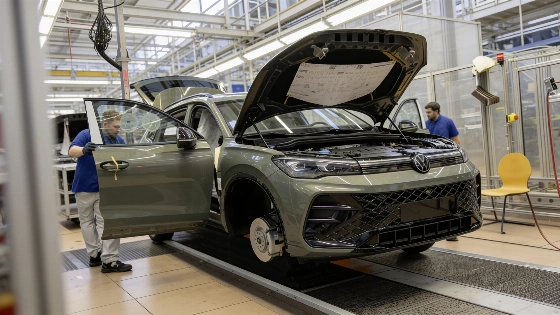
Volkswagen has unveiled a sweeping transformation plan through 2030, aiming to cut costs, reduce its model lineup by half, and boost profitability. The company says there will be no immediate impact on its Spanish operations.
Volkswagen has set out an ambitious roadmap to reshape its business by 2030, announcing deep cuts to its workforce and a dramatic reduction in the number of models it produces. The plan, presented by CEO Oliver Blume, is designed to restore the group's competitiveness as the global car market faces mounting challenges.
Among the most significant measures are the planned closure of factories in Germany between 2031 and 2034, a 15% reduction in investment for new technology platforms and autonomous driving projects, and a cap on annual production at 9 million vehicles—a 10% drop from current levels. The company also intends to eliminate overlapping models and platforms across its brands, focusing resources on the most profitable segments.
Volkswagen's strategy includes gradually slimming down its model range by up to 50% and slashing equipment options by 75%. This streamlining is expected to simplify manufacturing, reduce costs, and allow the group to respond more quickly to shifting market demands. The company will also harmonize its electronic architectures and software environments to better serve both Western and Eastern markets.
Blume's overhaul comes at a time of intense pressure for the automotive industry. Falling demand in key regions, the rapid rise of Chinese manufacturers, soaring electrification costs, and tightening regulations have forced legacy carmakers to rethink their strategies. As Volkswagen moves to share more components and software across its brands, it is also granting greater autonomy to regional operations, particularly in China, to better adapt to local needs.
While the restructuring is expected to have far-reaching effects, Volkswagen has assured that there will be "no immediate impact on operations in Spain," where the group operates two major plants. The company has already begun implementing some of the changes, such as reducing the variety of models in its product portfolio.
The Supervisory Board has approved the first steps of what is described as the group's most ambitious restructuring since the 2024 wage agreement. However, the most sensitive details—such as the exact number of jobs to be cut—remain undecided for now. According to reporting by Auto Bild, the recent board meeting in Wolfsburg lasted over five hours, with both shareholders and labor representatives expressing concern about the scale of the changes, though acknowledging the difficult environment facing the sector.
The new plan also puts pressure on the labor peace achieved in recent years between Volkswagen and its German workforce, especially as the possibility of plant closures is now back on the table. Currently, up to 18 different models from various group brands are produced at the company's German factories.
Volkswagen's move echoes broader trends in the industry, as automakers worldwide seek to adapt to rapid technological change and shifting consumer preferences. For example, the French brand DS recently launched the N7 SUV with both hybrid and electric options, aiming to challenge established players in the premium segment—a development covered in detail in this analysis of the DS N7's market strategy.
Looking ahead, Volkswagen's transformation plan signals a decisive shift away from the "world car" concept toward more localized production and tailored offerings. The company aims to leverage group-wide synergies, eliminate parallel technological structures, and reinforce its leadership in automotive technology. As the industry continues to evolve, the effectiveness of these measures will be closely watched by competitors and regulators alike.
Contextually, Volkswagen remains one of the largest employers in the European automotive sector, and its decisions often set benchmarks for the industry. The group's focus on profitability and efficiency reflects a broader move among global automakers to prioritize sustainable growth over sheer volume. For Spain, the assurance of no immediate impact provides short-term stability, but the long-term effects of Volkswagen's restructuring will depend on how the market and regulatory landscape develop in the coming years.