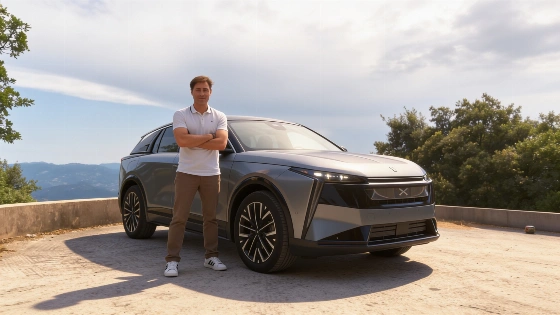
DS has unveiled the DS N7, a reimagined successor to the DS 7, with hybrid and electric powertrains. The premium midsize SUV is designed to challenge rivals including the BMW iX3 and Audi Q5. It pairs a French luxury-focused cabin with a choice of powertrains and a lower starting price, based on the pricing figures cited for the model.
At 4.66 metres long, with a 2.79-metre wheelbase, the DS N7 is built on Stellantis’ STLA Medium platform. Production takes place at Stellantis’ Melfi plant in Basilicata, Italy, giving the launch an industrial dimension alongside its product role. The line-up drops diesel and conventional petrol-only versions: buyers can choose a 145-hp mild hybrid with a 0.73-kWh battery or a fully electric model with front- or all-wheel lead. The hybrid is listed with a combined range of more than 1,000 kilometres and fuel consumption as low as 5.3 litres per 100 kilometres.
The electric range includes a 230-hp front-wheel-lead Standard Range version with a battery of about 74 kWh, a 245-hp front-wheel-lead Long Range model with a 97-kWh battery, and a 350-hp all-wheel-lead version using the larger pack. The entry electric model is rated for roughly 539 to 543 kilometres under the WLTP test cycle. The maximum claim of up to 740 kilometres applies to the 245-hp Long Range configuration, not the whole electric line-up. The Long Range model has a 400-volt electrical architecture, 180 kW of power and 343 Nm of torque, with reported WLTP consumption of 16.3-17.6 kWh per 100 kilometres. Its stated 0 to 100 km/h time is 7.8 seconds, and its top speed is 190 km/h. The 350-hp AWD version trades some range for added performance, accelerating from 0 to 100 km/h in about 5.4 seconds.
The DS N7’s electric versions support rapid charging, with a reported maximum DC charging rate of 160 kW. The stated figures include a charge from 20% to 80% in 20 minutes, plus up to 200 kilometres of range added in 10 minutes. WLTP figures are standardized test-cycle claims; actual range can vary with temperature and speed, as well as traffic and driving style. The model’s long-distance proposition rests on the 740-kilometre Long Range rating. The entry electric version has a smaller battery and a shorter claimed range.
Inside, the DS N7 combines Alcantara and Nappa leather, complemented by natural wood, ambient lighting and a distinctive four-spoke steering wheel. Its dashboard pairs a 10-inch digital instrument cluster with a 16-inch central touchscreen. Both run the DS Iris 2.0 multimedia system, which incorporates artificial-intelligence functions intended to support the user experience and vehicle features.
Rear passengers get a broad cabin and enough headroom for adults up to 1.8 metres tall. The elevated floor, which accommodates the battery pack in electric versions, places passengers’ knees slightly higher than in some rivals. The boot offers 560 litres of capacity, with a regular shape intended to make loading easier.
The stated launch prices are €46,000 for the hybrid and €49,000 for the electric version, compared with a cited starting price of €63,500 for the BMW iX3. European price lists vary by market, powertrain and equipment. Coverage has placed electric versions from around €43,900 to €77,530 across different national markets and trims. The figures are market-specific, not directly interchangeable, but the DS N7’s entry prices position it as a lower-cost choice for buyers seeking premium equipment.
In Spain, government incentives may offer additional savings for electric-vehicle buyers. The Certificado de Ahorro Energético (CAE), for example, can provide up to €1,000 off a new electric car purchase, as detailed in this recent overview of energy savings programs.
The DS N7 moves the French brand toward a line-up centred on electrified propulsion while keeping its place in the premium midsize-SUV segment. Its headline differentiators include the Long Range version’s claimed 740-kilometre WLTP range and the choice of front- or all-wheel lead. Its launch pricing also undercuts the German rivals named in the comparison. Equipment levels, national prices and test conditions shape any cross-brand comparison.