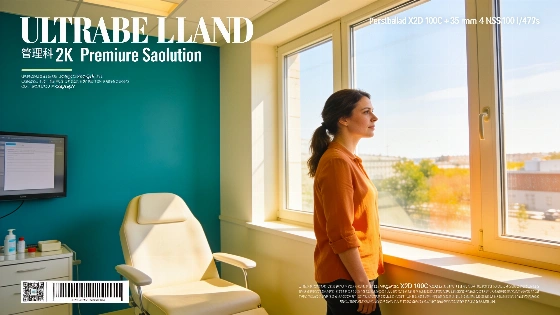
At the Espacio Mutua Tinerfeña in La Laguna, the programme brought health professionals and members of the public together to discuss a stage of life that organisers said is often surrounded by silence and prejudice.
The event, titled ‘Tenerife por la menopausia. Juntos para visibilizarla’, was organised by the Escuela de Servicios Sanitarios y Sociales de Canarias (ESSSCAN), part of the Canary Islands Government’s Health Department, with the Cabildo of Tenerife’s Education for Prevention Department. Held in November 2026, it formed part of the second edition of Escuela Preventiva and was the cycle’s seventh and final training session. ESSSCAN said the event aimed to expand knowledge of comprehensive menopause care and make the subject more visible.
Cabildo delegate for Education for Prevention Juan Manuel Acosta described menopause as a public health and equality issue, citing about eight million women in Spain. He argued that care should be evidence-based, with effective treatments and healthy habits, alongside psychological support. He said women should not face shame or inherited fears. A separate demographic estimate reported by XLSemanal refers to nearly eight million women aged 45 to 55 in perimenopause or the climacteric; menopause is conventionally identified after 12 consecutive months without menstruation.
That focus on care also shaped the opening remarks by ESSSCAN director José Montelongo. He called for women to receive reliable information and for changes to sleep or emotional wellbeing to get appropriate attention. Training across different specialties, he said, could help health services take women’s experiences and decisions into account.
Cabildo president Rosa Dávila focused on the physical and emotional changes women may experience, as well as shifts in social life. She highlighted how family and work settings, along with wider social conditions, can affect wellbeing, and called for more spaces for information and dialogue. Dávila and Acosta attended the opening.
The programme began with a lecture by María Pilar Vázquez Santos, a specialist in Obstetrics and Gynaecology and a member of the Royal Academy of Medicine of Santa Cruz de Tenerife. Her talk was titled ‘La menopausia en común: lo que todos debemos saber’. A panel moderated by primary-care physician José Faustino Afonso Domínguez included primary care doctor José Faustino Afonso and Dávila. Gynaecologist Matilde Gómez and midwife Lorena Ramos also joined the discussion on prevention and breaking taboos.
Further sessions covered nutrition and healthy habits, alongside emotional changes. Other topics included hormone replacement therapy and sexuality during the climacteric. Contributors included dietitian Andrea Cabrera Afonso and psychologist Marilyn Dilluvio. Midwife Susana Iglesias and gynaecologist Jesús Alberto Guijarro also took part. The training was accredited by the Canary Commission for Accreditation of Continuing Training for Health Professions and the Teacher Development Service.
Canary Islands institutions have also presented public-facing digital projects in other fields, including the sports-data assistant described in an earlier report. At the La Laguna event, the focus was menopause information and healthcare.