A planned artificial wave pool in rural Cantabria aims to attract 200,000 tourists. The project requires rezoning 100,000 square meters and faces strong local opposition. Residents fear overdevelopment and loss of tranquility.
The government of Cantabria has unveiled plans for Olucas Surf Center, a large-scale artificial wave pool and hospitality complex in Villaverde de Pontones, a quiet village of 470 residents within Ribamontán al Monte. The initiative, which would require the rezoning of 100,000 square meters of rural land, is designed to draw up to 200,000 tourists annually by 2030 and create around 60 jobs. However, the proposal has triggered a deep rift among locals, who are wary of the potential for overdevelopment and the transformation of their tranquil environment.
Presented in June by regional officials and the sole partner of Olucas, Ignacio Martínez-Peñalver of Wavegarden, the project is being pushed forward under the controversial Plan Singular de Interés Regional (PSIR). This mechanism allows the regional government to bypass municipal urban planning rules for projects deemed of public interest. The government, led by President María José Sáenz de Buruaga, argues that the complex will boost the local economy and counteract what it calls “turismofobia.” Yet, the lack of transparency regarding the exact location and the private nature of the investment—estimated at 40 million euros—have fueled suspicions among residents and opposition parties.
Local voices reflect the split. Some see the project as a rare economic opportunity, especially in a region where traditional farming is declining and tourism is already reshaping nearby coastal towns like Somo and Loredo. Others, however, worry about increased traffic, rising prices, and the risk of losing the village’s character. Concerns about water usage have also surfaced, given the region’s ongoing drought and the absence of major reservoirs. Officials insist the pool’s consumption will be comparable to two standard pools or three golf course holes, but residents point out that the influx of tourists will add further strain.
Political opposition has been vocal. The Partido Regionalista de Cantabria claims the local mayor was not consulted and questions the legitimacy of using the PSIR for a private venture. The PSOE and Cantabristas have also criticized the plan, warning it could lead to unchecked urbanization and benefit only a select few. Meanwhile, real estate interest in the area has surged, with reports of agencies seeking to buy up available land in anticipation of the project.
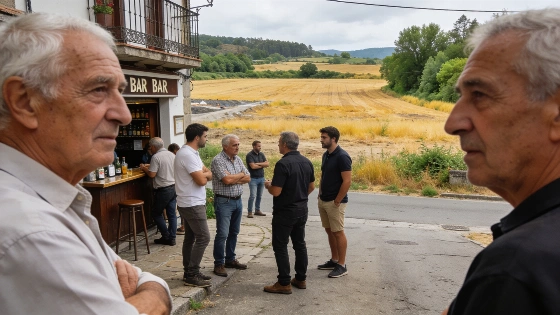
In the surf hub of Somo, opinions are mixed. Some surf school operators acknowledge the potential for training in artificial pools but remain skeptical about the broader impact, especially regarding land use and the risk of a speculative real estate boom. Others argue that artificial waves cannot replace the natural experience of the sea. In Villaverde de Pontones, the debate continues in local bars and shops, with many residents expressing uncertainty about whether the promised benefits will outweigh the costs to their way of life.
According to public data, Cantabria’s coastline has long attracted surfers and tourists, but most development has concentrated in established beach towns. The use of the PSIR for private projects remains controversial in Spain, as it can override local planning and community input. The Olucas Surf Center case highlights ongoing tensions between economic development, environmental sustainability, and the preservation of rural communities. As the project moves forward, the outcome may set a precedent for similar initiatives in other regions facing the pressures of tourism and land use change.