Transferring money across borders safely depends on two key codes: IBAN and SWIFT BIC. Understanding their purpose and how to find them can prevent costly mistakes and delays in international banking.
Entering the wrong code when sending money abroad can mean the difference between a smooth transaction and a frustrating delay. For anyone moving funds internationally, two pieces of information are essential: the IBAN and the SWIFT BIC. Yet, despite their importance, many account holders use these codes without ever really knowing what they do or why they matter.
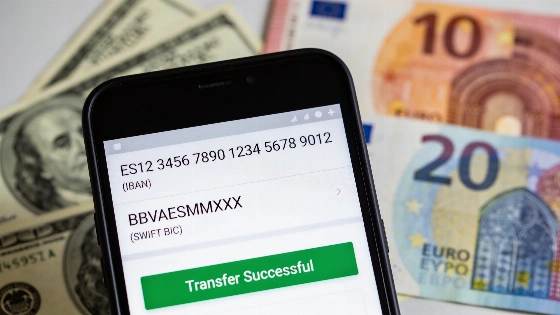
The IBAN, or International Bank Account Number, is designed to uniquely identify a specific bank account anywhere in the world. It combines a country code, check digits, and the domestic account number into a single string. In Spain, for example, every IBAN starts with 'ES' and contains 24 characters. This standardized format allows banks to verify the validity of an account before processing a payment, reducing the risk of errors that once plagued cross-border transfers.
Before the IBAN system, each country relied on its own method for identifying accounts, making international payments slow and prone to mistakes. The introduction of IBAN brought a unified approach, streamlining the process and improving security for both senders and recipients. Today, the IBAN is required for most payments within Europe and is increasingly used for transfers beyond the continent.
IBAN vs SWIFT BIC: Different Roles
While the IBAN points to the exact account that should receive the funds, the SWIFT BIC code identifies the bank itself. SWIFT BIC, short for Bank Identifier Code, is a unique code assigned to each financial institution. It typically consists of 8 or 11 characters, encoding details about the bank, its country, and sometimes the specific branch.
When money moves between banks in different countries, the SWIFT BIC ensures the payment is routed to the correct institution. Even if the IBAN is accurate, a missing or incorrect SWIFT BIC can cause a transfer to be delayed, rejected, or even lost in the system. Within the SEPA zone (Single Euro Payments Area), the IBAN is often enough, but for transfers outside this area, both codes are usually required to guarantee the funds reach their destination.
How to Find Your Codes
Locating your IBAN is straightforward: it appears on your bank statements, account contracts, and most online banking platforms. Many banks also display the IBAN in their mobile apps, typically within the account details section. The SWIFT BIC can be found on the bank’s website, through online banking, or by asking your branch directly.
When receiving money from abroad, it’s best to provide the sender with your full IBAN, the account holder’s name, and your bank’s SWIFT BIC. Double-checking these details before confirming a transfer is crucial—a single incorrect character can prevent the payment from arriving or cause significant delays.
Why Accuracy Matters
Errors in either the IBAN or SWIFT BIC can trigger a chain of problems: rejected payments, blocked funds, or lengthy investigations to trace missing money. For businesses and individuals alike, understanding these codes is not just a technicality—it’s a safeguard against unnecessary complications in international banking.
As global mobility and cross-border transactions become more common, knowing how to use and verify IBAN and SWIFT BIC codes is increasingly important. Taking a moment to check these details can save time, money, and stress for anyone sending or receiving funds internationally.