Ángel Gabilondo has asked the Constitutional Court to intervene over voting rights for 163,020 newly naturalised Spaniards. He wants urgent measures before the 29 November election.
On 16 October, Ángel Gabilondo filed an appeal asking Spain’s Constitutional Court to intervene before the 29 November election. A Supreme Court order puts 163,020 people who gained Spanish nationality through the Ley de Memoria Democrática at risk of being unable to vote. The election will choose members of the Congreso de los Diputados and the Senado.
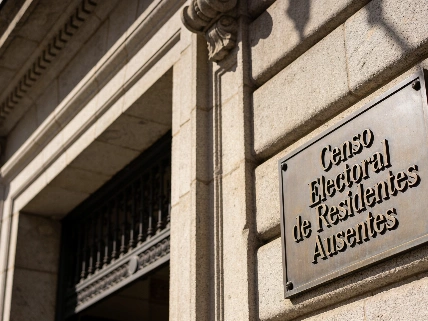
The appeal challenges the Tribunal Supremo’s decision to keep their registrations in the Censo de Residentes Ausentes en el Extranjero, or CERA, suspended. Gabilondo filed a recurso de amparo and sought cautelarísimas measures, urgent interim relief without first hearing the other parties. The filing followed requests from citizens and organisations, along with the Ombudsman’s review of the Supreme Court ruling. At the time, the Constitutional Court had not announced a final decision on the urgent measures.
The dispute turns on how the 2022 Democratic Memory Law applies to descendants of Spaniards who went into exile or faced persecution. A Justice Ministry instruction treated people who left Spain between 18 July 1936 and the end of 1955 as exempt from separately documenting their exile status. The Supreme Court’s approach questioned that interpretation, separating the validity of citizenship already granted from eligibility to vote in the election.
There is a narrow exception. Affected voters may cast a ballot if consular offices certify, under personal responsibility and with supporting documents, that they are descendants of exiles. Without that certification or a change to the suspension, receiving a ballot paper alone does not establish that a vote will be valid.
The Tribunal Supremo’s Fourth Section of the Administrative Chamber issued its order on 12 October. It rejected applications from the State Attorney and the Public Prosecutor to lift the precautionary measure. The ruling concerns 163,020 people already registered in the CERA, not a projection of future applicants. The State Attorney and Public Prosecutor had warned that reviewing almost 170,000 administrative files before election day would be materially impossible.
The ruling appeared in the Boletín Oficial del Estado on 15 October, starting a five-day period for interested parties to seek an appeal or review. Gabilondo said his filing followed a detailed review of the Supreme Court decision and requests for protection from citizens and organisations. He said those affected should be able to exercise their right to vote if they wished.
At an information meeting on 8 October, Gabilondo had already set out the institution’s position. Spanish nationality, he argued, carries the right to vote, and people granted citizenship under the law should not face different categories of political rights. In his view, later reviews should not make those rights conditional after nationality has formally been granted.
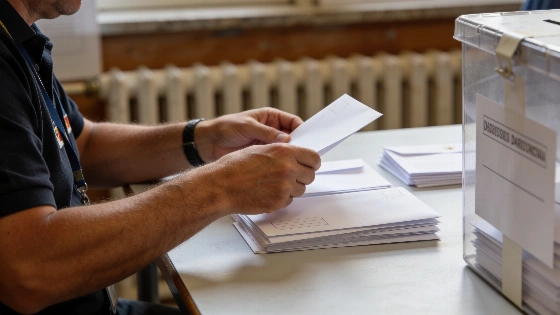
The Junta Electoral Central, or JEC, has agreed to send election papers to everyone registered in the CERA, including the affected new citizens. The first mailings were scheduled for 24–30 October. Each package will include a notice warning that not all registered voters may be able to exercise their right to vote. The mailing does not lift the Supreme Court’s suspension.
The decision follows the mailing decision reported earlier. The papers will not settle eligibility on their own: a note in each package says the vote’s validity remains subject to the accreditation criteria set by the Tribunal Supremo.