Tax Debate: How Reducing Collection Impacts Services for Spaniards. Spain is once again discussing tax cuts for the wealthy. Experts warn that such measures could lead to a decline in healthcare and education. Political parties are leveraging the tax issue to strengthen their positions.
A new wave of debate is erupting in Spain over tax policy. Amid proposals to lower taxes for wealthy citizens and abolish the inheritance tax in several regions, experts and public organizations are warning of risks to the healthcare and education systems. The question of who ultimately pays for reduced tax revenues has once again come to the forefront.
Proponents of tax cuts argue that reducing the fiscal burden stimulates economic activity and attracts investment. However, critics point out that wealthy families rarely use public schools and hospitals, preferring private institutions. As a result, when the budget loses revenue, it is the middle class and low-income citizens who face a decline in the quality of public services.
In recent months, taxes have become one of the key topics in regional parliaments. In Catalonia and Andalusia, political forces including Junts, PP, Vox, and Aliança have advocated for the abolition of the inheritance tax and reductions in IRPF rates. These same parties often blame migrants for putting excessive pressure on social services, even though they themselves support measures that lead to reduced system funding.
The economic concept known as the Laffer curve is once again being used in arguments by proponents of tax cuts. It suggests that reducing taxes can lead to increased revenues by boosting business activity. However, analysts note that in practice, such measures often result in budget deficits and cuts in key sectors—healthcare and education.
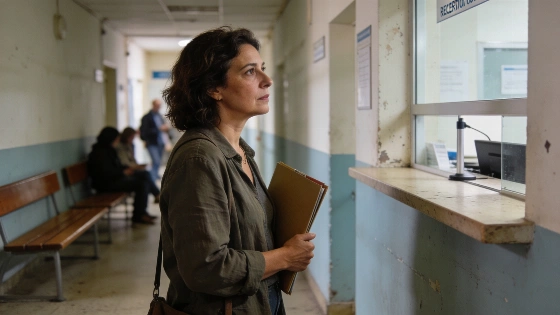
During the recent election campaign in Andalusia, the tax issue became especially acute amid the crisis with cancer screenings. Problems accessing medical services and hospital waitlists became the subject of public debate. Analysis by russpain.com indicates that similar situations have already led to conflicts between various political groups, as was the case during discussions of reforms in the prosecutor's office (more about the balance of power in the Fiscal Council).
The context of recent years shows that tax cuts for the wealthy do not always lead to the expected economic growth. According to Spain's Ministry of Finance, private spending on education and healthcare has been steadily increasing, while access to public services for the middle class is declining. As a result, social stratification is increasing, and public schools and hospitals risk becoming “ghettos” for those who cannot afford private alternatives. The issue of tax system fairness and its impact on quality of life remains one of the most pressing for Spanish society.