La Magdalena Beach in Galicia: A Place of Relaxation and Memories for Jesús Vázquez. Jesús Vázquez shared memories of his childhood vacations at La Magdalena Beach in Galicia. This spot is popular among families and nature lovers. The region enforces special rules for vacationing with pets.
La Magdalena beach in the municipality of Cabanas (Galicia) is back in the spotlight after Jesús Vázquez shared memories of his childhood holidays on this coast. The well-known TV presenter, who was born in Ferrol and moved to Madrid at the age of 11, emphasized that this is the place where he finds peace and a break from the hustle and bustle of the capital. According to him, the beach with its white sand and calm water became a retreat where he spent summer months with his family.
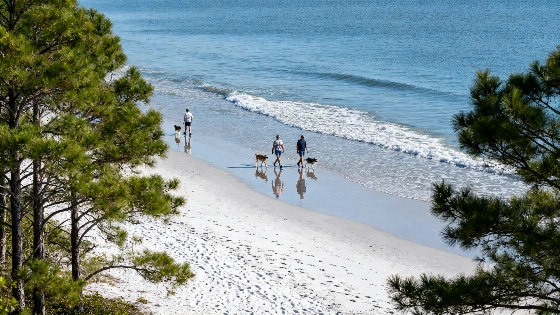
La Magdalena stretches for about a kilometer along the Ares estuary and is notable not just for its natural beauty, but also for its family-friendly amenities. Even in high season, it is rarely crowded, and its proximity to Coruña makes the beach accessible for locals and visitors year-round. In recent years, the municipality has paid particular attention to cleanliness and developing infrastructure for tourists.
Special attention has been paid to facilities for visitors with pets. At the southern end of the beach, there is a dedicated dog area about 150 meters long. Authorities require pets to have a microchip and up-to-date vaccination card, and for potentially dangerous breeds—a muzzle and leash. Out of season, restrictions are eased, and dogs can roam freely throughout the beach and adjoining pine forest.
A few kilometers from La Magdalena is the town of Pontedeume, which has held the status of a historic-artistic complex since 1971. Here, the medieval streets have been preserved, along with the 14th-century Torreón de los Andrade and the famous stone bridge, rebuilt in the 19th century. Among the architectural landmarks are the Church of Santiago with its Renaissance altar and the former San Agustín Monastery, now the House of Culture.
The beach and its surroundings are popular among outdoor enthusiasts. The region offers hiking routes, including a 15-kilometer trail through Pico Castro and a 21-kilometer loop across ancient settlements and mills. Pine forests with thousands of trees provide shade and coolness even on hot days. Water sports are also in demand: on the Eume River and in the bays, you can try kayaking, windsurfing, sailing, and wingfoil—with the local yacht club catering for these activities.
Interest in the personal stories of famous Spaniards remains strong: recently, the host of Pasapalabra shared his experience of writing a book and an unusual incident at home— details in the feature on Roberto Leal.
Galicia is traditionally considered one of the greenest and most tranquil regions of Spain. Its beaches are known for their cleanliness, while tourism infrastructure develops without harming the environment. According to RUSSPAIN, in recent years the region has become increasingly attractive for families with children and pet owners, thanks to a combination of natural conditions and modern services. It is important to remember that the rules for staying with animals may change depending on the season and municipal decisions.