Castile and León Authorities Recognize Vaquera Houses as Cultural Heritage Site. Vaquera houses have been officially designated as a cultural heritage site in Castile and León. The decision comes amid political changes and ongoing support for preserving traditions. Authorities emphasize the connection to the region’s history.
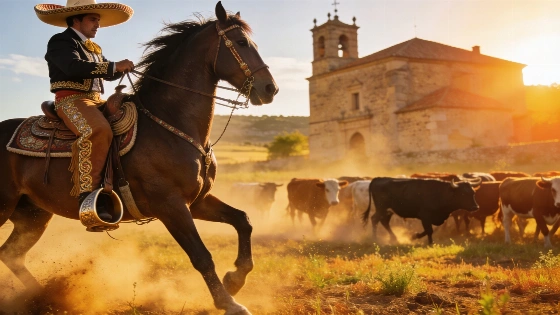
In Castile and León, authorities have approved a new measure: doma vaquera has now been recognized as an object of cultural heritage (BIC). This decision comes amid political changes in the region and sustained support for traditions linked to horse breeding and working with bulls. The initiative secures a special status for one of the most recognizable forms of horseback riding, historically associated with rural life and local festivals.
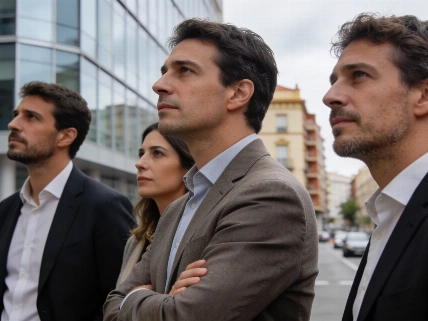
The decision was made at the regional government level, where the current culture councillor, Gonzalo Santonja, played a key role. He was appointed under the Vox quota in the coalition government, but remained in office even after the alliance with the party ended. Santonja is known as a consistent supporter of bull-related traditions, and previously initiated the recognition of other controversial rituals such as the Toro Júbilo in Medinaceli, which sparked protests from animal rights activists.
Arguments and details of the decision
In the official statement, the authorities emphasize that doma vaquera is not only a riding technique, but also part of the intangible cultural heritage dating back centuries. The document notes the influence of the military school of horsemanship, as well as connections with monastic traditions and large agricultural estates. Examples are given: Benedictine and Cistercian monks in León, as well as the oldest bull-breeding estate in Spain located in Boecillo (Valladolid).
Special attention is given to the province of Salamanca, where, according to authorities, 152 bull-breeding farms are concentrated. It is here, in the so-called 'campo charro', that the doma vaquera tradition is most alive and in demand. Authorities note that this style of riding is closely tied to the organization of traditional encierros—mass bull round-ups, which remain an important part of the region's festivals.
Who benefits from the new measure
The recognition of doma vaquera as an object of cultural heritage applies not only to the riding technique itself, but also to the traditional riders' clothing, horse equipment, and even to the craftsmen involved in this field—from blacksmiths to harness makers. Authorities emphasize that the measure supports not only farmers and riders, but also shepherds, veterinarians, as well as local associations and municipalities that organize competitions and festivities.
The government notes that the transmission of knowledge in this area mainly takes place through practice and personal experience, especially in rural areas. In recent years, riding schools have also appeared, where the tradition is upheld in a formal setting.
Political context and reaction
The decision to recognize the vaquera house coincided with a period of political uncertainty in the region. Culture adviser Gonzalo Santoja, despite his independence and Vox quota appointment, turned out to be the only party representative retained in the government after the coalition split. According to parliamentary sources, his further stay in office is unlikely, as the far-right is not willing to support his candidacy in the new cabinet.
On social media, acting regional president Alfonso Fernández Mañueco emphasized that the vaquera houses are part of the identity of Castile and León, connecting the past and the present. At the same time, as shown by the experience of recognizing Toro Júbilo, such decisions provoke debate and protests, especially among animal rights activists. Similar conflicts over cultural traditions and their status have already been discussed in other regions, for example, in reports about the reaction of authorities and society to the departure of prominent figures, as was the case during the farewell to Sol Gallego-Díaz in Madrid.