In Vitoria, the BEI Electric Bus Becomes the Leader in Urban Transport. In Vitoria, the BEI system has increased passenger traffic by 76% over four years. The project, which initially sparked protests and political fallout, is now considered one of the region's most successful.
In Vitoria, the Bus Eléctrico Inteligente (BEI) system has, over four years of operation, transformed from a source of urban conflict into a key part of public transportation. Despite sharp discontent among residents and political consequences for former mayor Gorka Urtaran, BEI now carries 5.8 million passengers annually and offers the best frequency among all city routes.
The BEI project was launched amid strong criticism: new dedicated lanes and stops took away parking from drivers, and part of the green areas were cut down. Authorities faced accusations of creating traffic jams, increasing risks for pedestrians, and inefficient spending—the system cost €57.3 million, part of which was covered by European funds. Even after compensatory measures—planting new trees, opening parking lots, and adjusting traffic patterns—discontent persisted, and the political cost was high: the PNV lost its leadership in the elections, and Urtaran himself was unable to run for a new term.
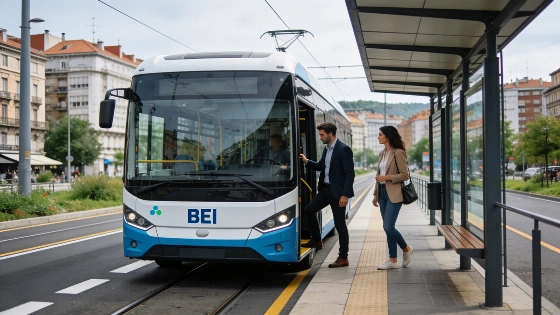
However, four years later, BEI has become the most in-demand line, accounting for a third of all municipal bus trips. Passenger traffic on the route grew by 76%, compared to 5% on other lines. The electric buses run on an 11-kilometer route with traffic light priority and dedicated lanes, enabling quick access to key points in the city, including the Txagorritxu hospital and government offices. Fare payment takes place at the stops, and the platforms are designed similarly to those of trams.
BEI not only reduced CO2 emissions by more than 6,000 tons, but also improved emergency services: ambulances, police, and fire trucks now move faster along dedicated lanes. The system has become a model for other countries — delegations from Portugal, Ireland, Mexico, and Costa Rica have come to study Vitoria’s experience. According to city officials, BEI is now the backbone of the city's entire transport network.
Nevertheless, there are currently no plans to expand the model to other routes. The authorities abandoned the idea of returning cars to the central southern corridor, acknowledging that it would worsen service. The city is still discussing the consequences of BEI’s implementation, but the project itself no longer causes the same level of controversy. For comparison, the introduction of digital and transport innovations in other Spanish cities also faces challenges: for example, in Santander, the Smart City project with a budget of 17 million euros has yet to be completed, confirming the complexity of such transformations (more on the situation in Santander).
For reference: BEI belongs to the BRT (Bus Rapid Transit) type — a hybrid between a bus and a tram, which is cheaper and easier to implement than a metro or a full-fledged tram system. These systems are being introduced more and more actively across Europe, but it is Vitoria’s experience that has become one of the most notable in Spain. The city received the status of Green Capital Europe, although there is currently no separate department for sustainable mobility in city hall. According to RUSSPAIN, BEI remains a unique example of how a controversial initiative can change a city's transport map and influence the political landscape.