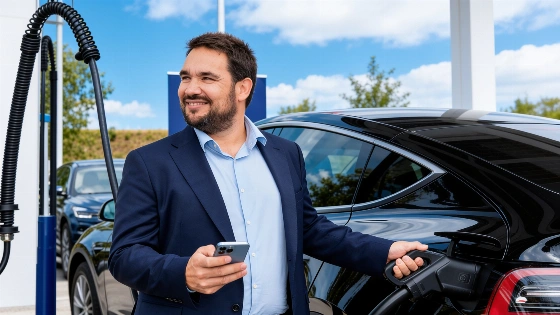
Spain’s ultra-fast charging network faces a critical bottleneck as Daniel Pérez, CEO of Zunder, steps in to lead AORU. He calls for binding deadlines and sanctions on electricity distributors to unlock idle infrastructure and accelerate the electric vehicle transition.
Rows of ultra-fast chargers sit unused across Spain. The hardware is ready, but the power isn’t flowing. Daniel Pérez, CEO and cofounder of Zunder, now leads the Asociación de Operadores de Recarga Ultrarrápida (AORU). He’s not hiding his frustration. Pérez says Spain’s charging rollout is stuck because of slow-moving bureaucracy and electricity distributors dragging their feet.
New stations keep popping up. But many can’t serve drivers. They’re installed, then left waiting for grid connections. Pérez is blunt about the fix. He wants strict, enforceable deadlines for distributors. He wants real penalties for delays. "Our priority during this Presidency is to reverse this situation for the benefit of companies and users, establishing maximum and binding deadlines for distributors, and backed by a real sanctioning regime," he says. The message is simple. Investors need certainty. The gap between installation and operation must shrink—fast.
As of Q2 2026, nearly a quarter of Spain’s public charging points—17,821 out of 74,503—remained non-operational due to administrative and grid connection delays.
AORU launched in 2024. It unites big names: Allego, Atlante, Electra, Engie, Fastned, Powerdot, Tesla, and Zunder. The group speaks for the sector in talks with public officials. It also works inside key forums at the IDAE and the Plan Auto 2030. These are the tables where Spain’s electric future is being decided.
The problems run deeper than just plugging in new hardware. AORU is also calling out slow public subsidies and a confusing incentive system. Right now, plug-in hybrids and full electrics get lumped together. The association says tax rules need an overhaul, especially for company cars. That’s a key market for electric growth. Meanwhile, many private buyers are still waiting for government support to actually arrive.
Pressure is building. Heavy transport is next in line for electrification. AORU warns that ultra-fast charging isn’t just for cars. Trucking companies will need it too. Spain needs a strong, reliable network along its main roads. Endless paperwork can’t keep holding things up.
According to Spain’s CNMC and sector analyses, the commissioning of new ultra-fast charging stations can be delayed by up to two years, with administrative approvals often falling outside the regulated timeframes set for grid operators.
Pérez now has six months at the top. He faces a sector at a turning point. He must speed up connections, push for new rules and tax changes, and get Spain’s grid ready for the next wave of electric vehicles. The urgency is real. Recent moves to tighten road safety laws, as reported earlier, show Spain is rethinking how it handles mobility and infrastructure.
One fact stands out. Chargers without power are worthless. If the government and distributors ignore AORU’s call for strict deadlines and real penalties, Spain could waste its early investments. The shift to clean transport could stall. The next six months will show if Spain can turn plans into action—or stay stuck at the charger.