Record Number of Drivers: Spain on the Brink of Change
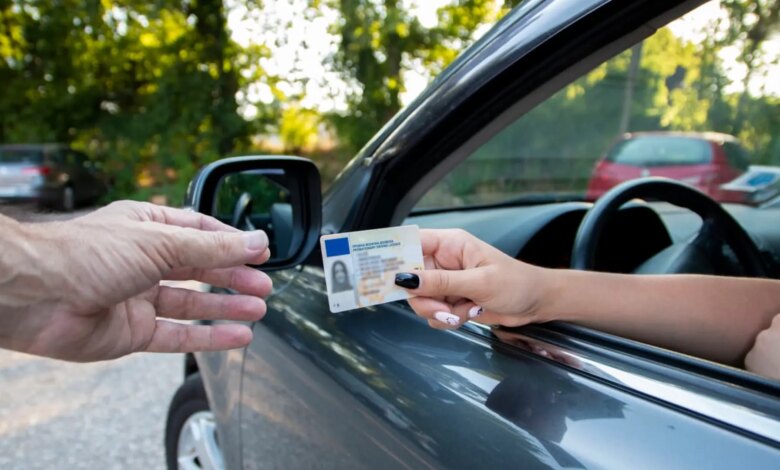
In 2025, Spain reached a new all-time high in the number of registered drivers. According to the Dirección General de Tráfico (DGT), the country now has over 28 million licensed drivers. Despite stricter regulations and the expansion of public transport, the number of motorists continues to grow. Men still make up the majority—around 15.9 million, while women account for 12.2 million.
However, these impressive nationwide figures mask significant regional differences. In major cities and their suburbs, where the transportation network is most developed, not everyone holds a driver’s license. Meanwhile, in sparsely populated provinces, car ownership has hit record highs.
Leaders in Drivers Per Capita
The highest percentage of residents with driving licenses is found in the province of Cuenca. Here, 92.38% of the population holds at least one category of driver’s license. Out of nearly 200,000 residents, more than 183,000 are authorized to drive. This statistic is explained by the region’s characteristics: small towns and villages, limited public transport, and the necessity of a personal vehicle for everyday needs.
Zamora ranks second, with 132,000 licensed drivers among a population of 166,000—approximately 0.79 licenses per person. Salamanca comes in third with 252,000 drivers for 328,000 residents, amounting to 0.77 licenses per person. Segovia takes fourth place with 0.76, while Palencia rounds out the top five with 0.75 driver’s licenses per resident.
All these regions have not only high rates of car ownership, but also face the problem of depopulation. With towns spread far apart and limited infrastructure, personal vehicles become essential for daily life. Without a car, reaching a hospital, store, or pharmacy can be challenging.
Where driver numbers are the lowest: surprise underperformers
At the opposite end is Guadalajara province, where only 48.7% of residents have a driver’s license. Despite being close to Madrid and having good transport links to the Spanish capital, many here manage without a car, opting for trains and buses instead.
Tarragona comes second among the underperformers—fewer than half its residents (0.49 licenses per person) are licensed to drive. Madrid, despite leading in the absolute number of drivers (3.5 million), ranks third among the regions with the lowest percentage of motorists: just 0.495 licenses per resident. This is attributed to the high population density and a well-developed public transportation network.
The Balearic Islands (Islas Baleares) rank fourth among regions with the lowest share of drivers—0.523 licenses per person. Closing out the top five is the province of Almería, where this figure is 0.5235.
Reasons for the differences: infrastructure and lifestyle
Differences in motorization levels between regions are due not only to economic factors but also to infrastructure specifics. In large cities and tourist centers, residents more often use public transportation, bicycles, or electric scooters. Here, it’s easier to do without a personal car, especially given restricted access to city centers and the introduction of low-emission zones.
In small towns and rural areas, the situation is different. Public transport runs rarely, and the distances between settlements are significant. For many residents, a car is the only way to get to work, school, or a medical facility. This explains the high share of drivers in provinces with low population density.
The impact of new regulations and future outlook
In recent years, authorities have been actively implementing measures to reduce car traffic in cities. Low-emission zones are being introduced, pedestrian areas are expanding, and new metro and bus lines are being built. However, these initiatives have not yet led to a decline in the number of drivers at the national level.
Experts note that the situation may shift in the coming years. Younger generations are increasingly choosing alternative ways to get around, and demand for driver’s licenses is gradually declining in major cities. Nevertheless, in sparsely populated provinces, personal vehicles will remain indispensable for a long time to come.
Did you know: What is DGT and why is its data important?
The Spanish Directorate-General for Traffic (Dirección General de Tráfico, DGT) is a government body responsible for road safety, vehicle registration, and issuing driver’s licenses. Established in 1959, DGT has since become a key institution shaping the country’s transport policy. The agency not only ensures compliance with traffic regulations, but also analyzes statistics, develops educational programs, and introduces innovations in the transport sector.
Every year, the DGT publishes detailed reports on the number of drivers, accidents, road conditions, and mobility trends. This data is used to make decisions at the national and regional levels, and to inform citizens about new rules and legislative changes. Thanks to DGT’s efforts, Spain ranks among the countries with the lowest road mortality rates in Europe.
In recent years, the DGT has been actively implementing digital services, allowing people to obtain and renew driver’s licenses online, as well as track fines and vehicle status through mobile apps. The organization also participates in international projects to improve road safety and shares expertise with other EU countries. For millions of Spaniards, the DGT is more than just a bureaucratic body—it is an essential part of daily life, shaping mobility, safety, and comfort on the roads.