Modern unmanned aerial vehicles have opened up new possibilities for wildlife observation. Thanks to their compact size and maneuverability, drones allow researchers to capture the smallest details of animal behavior without approaching them directly. However, even the quietest devices can cause stress among savanna inhabitants, which may distort research findings and impede an objective assessment of their lives.
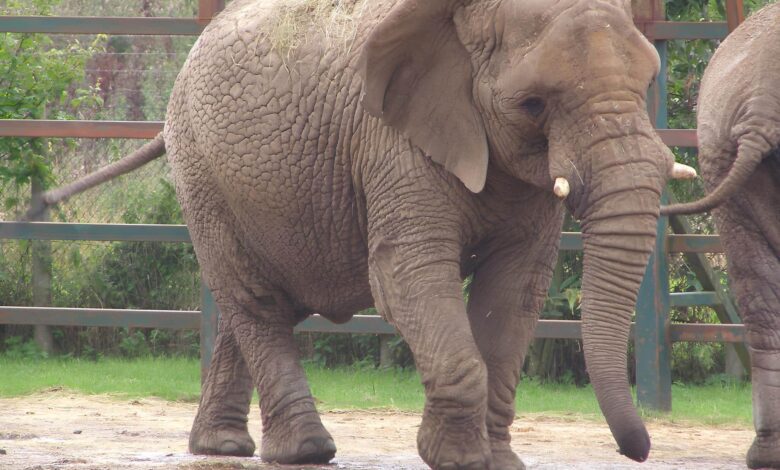
The question of how quickly animals become accustomed to the presence of drones has become a focal point for scientists. This is especially relevant for large and social species such as African elephants (Loxodonta africana), whose response to new stimuli can be unpredictable and even pose a threat to both the equipment and the animals themselves.
Experiment in Kenya: How Elephants Respond to Drones
A team of researchers from Save the Elephants conducted several observations in the Samburu and Buffalo Springs national parks in Kenya. The experiment involved 14 family groups of elephants, including both resident and migratory herds. An industrial quadcopter equipped with a powerful zoom camera and capable of operating in strong winds was used for monitoring.
The drone was launched from 500 meters away and lifted to an altitude of 120 meters, where it recorded video of the animals’ behavior for six minutes. After the flight, the device returned to its starting point. A total of 35 trials were conducted, providing a wealth of material for analysis.
To assess the elephants’ reactions, specialists selected one-minute video fragments and showed them to independent ethologists. The experts recorded signs of anxiety, changes in activity, and individual behavioral traits of each group. This approach made it possible to identify not only short-term but also long-term changes in the animals’ responses to drones.
Results: Habituation and Hidden Stress
In the first few minutes after the drone appeared in the sky, the proportion of agitated elephants in the group increased by about 11%. However, by the end of the six-minute observation period, anxiety levels returned to baseline. This indicates that elephants adapt quickly to a new object during a single flight.
During repeated drone flights, researchers found that the elephants’ overall stress levels were significantly lower than during the initial contact. Thus, the animals not only adapt quickly to the presence of drones, but they also remain calm during subsequent encounters.
Nevertheless, even in the absence of obvious signs of panic, statistics showed persistent behavioral changes. While the drone was flying, the elephants ate less, moved more, and reduced their rest time. After the observation ended, they compensated by increasing periods of rest. This suggests that, even without apparent fear, drones remain an irritant for animals and can affect their daily routines.
The Nuances of Ethical Observation: How to Minimize Stress
The study also identified key factors that help minimize the negative impact of drones on animals. By launching drones from a distance, flying at maximum altitude, and approaching from the downwind side to reduce noise, elephants show virtually no signs of distress and continue their normal behavior.
This finding highlights the importance of a sensitive approach when using new technologies in field research. Following a few simple guidelines allows valuable data on animal behavior to be collected without disturbing their peace or disrupting natural processes.
Overall, drones offer significant opportunities for the study and conservation of wildlife, but their use must be responsible and well-considered. Only then can a balance be struck between scientific interests and animal welfare.
Reference: RUSSPAIN. Save the Elephants — mission and achievements
Save the Elephants is an international conservation organization founded in Kenya in 1993. Its main mission is to protect African elephants and their habitats. The organization actively implements modern technologies to monitor populations, study migrations, and prevent poaching. Save the Elephants collaborates with leading scientific institutions and governments across Africa, running educational and research projects. Thanks to their efforts, awareness of elephant conservation issues has grown significantly and global attention has been drawn to the need to preserve biodiversity.