Among animals, there are some remarkable species that prefer silence over noise. Their communication is based on gestures, scents, movements, and even chemical signals. These creatures don’t need loud calls or songs to exchange information, warn of danger, or find a mate. Their silence is not a sign of loneliness, but the result of evolution and unique adaptations.
Each of these species has found its own way to be heard without making a sound. Their behavior and ways of interacting with the world are astonishing in their diversity and ingenuity. In this selection, you’ll find the planet’s quietest inhabitants—proof that sometimes, silence speaks louder than words.
Jellyfish
Jellyfish are true masters of silent existence. They lack vocal cords and cannot produce any sounds. Instead, these marine creatures rely on the movements of their tentacles and sensitive organs located in their rhopalia. With these, jellyfish can sense light, vibrations, and smells, allowing them to navigate the water, find food, and avoid danger. Their communication relies on nonverbal signals, and their interaction with the environment occurs through a complex sensory system.
A jellyfish’s tentacles serve not only for hunting but also for protection. When threatened, they can contract sharply, scaring off predators. Despite their outward simplicity, these creatures possess a sophisticated sensory system that lets them survive in a wide variety of conditions.
Giraffes
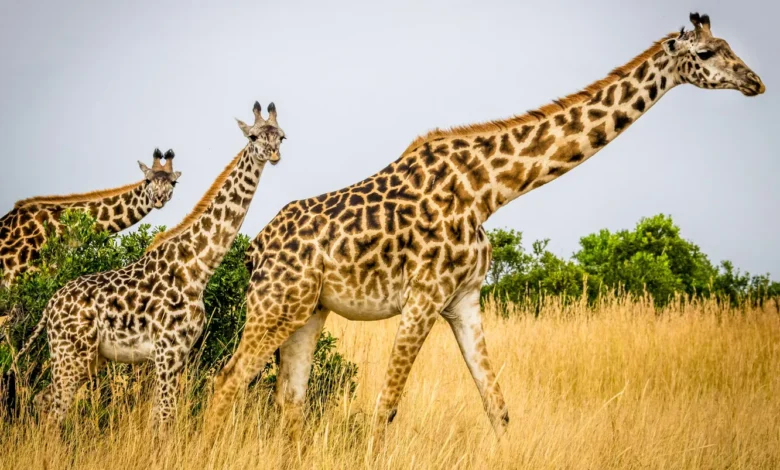
Giraffes are remarkable not only for their height but also for their extraordinary restraint. Their communication is almost completely hidden from the human ear. Most of the sounds they make are at such low frequencies that people simply cannot hear them. Giraffes can snort, hiss, grumble, and sometimes even produce flute-like sounds. However, their main form of communication is through body language: an upright posture demonstrates strength, while lowered ears and head signal submission.
Interaction among giraffes often relies on visual cues. They use eye contact, neck movements, and even the position of their tail to convey mood or warn of potential danger. This system of communication allows them to maintain order within the herd and avoid conflicts.
Butterflies
Butterflies embody silence and grace. Their wings make no sound, and they communicate through pheromones and color signals. Butterflies have chemoreceptors on their legs that allow them to “taste” surfaces. Their antennae help detect scents and wind direction, enabling them to find food and mates.
Although some species can produce clicking or buzzing sounds, most butterflies rely on visual and chemical methods to exchange information. Their bright colors and specially adapted wing scales play a key role in attracting attention and deterring predators.
Turtles
Turtles are known for their slowness and calm nature. Their vocalizations are so low-frequency that they go unnoticed by humans. From the moment they hatch to adulthood, turtles can produce barely perceptible sounds that help them stay connected with others during migrations.
Turtles navigate their surroundings with a keen sense of direction and the ability to remember routes. They rely on visual cues and even elements of ‘cartographic’ memory, allowing them to return to nesting sites years later.
Sloths
Sloths are symbols of tranquility and unhurried living. These animals rarely make any sounds, preferring to communicate through facial expressions and gestures. If threatened, a sloth may let out a sharp cry, but in everyday life, it is almost always silent.
Sloths are solitary creatures, and their interactions with others of their species are limited to mating season. To convey information, they use head movements, body posture, and even facial expressions.
Snails
Snails are among the quietest creatures on the planet. They lack vocal cords, making sounds impossible for them. Their main ways of interacting with the world are through touch, smell, and sight. Snails use their tentacles to explore surfaces and detect chemical substances in their environment.
Snails communicate through slime trails and chemical signals. This helps them find food, avoid danger, and seek mates for reproduction.
Rabbits
Rabbits are frequent visitors to households and fields. Despite being social animals, they rarely use sounds to communicate. Instead, rabbits rely on scents, touch, and body language. Thumping their hind legs on the ground is their way to warn others of danger.
Rabbits have underdeveloped vocal cords, so they can make only a limited range of sounds. Under stress, a rabbit may release a sharp scream caused by air escaping the lungs.
Worms
Worms are true champions of silence. They have neither vocal cords nor hearing organs. All their interactions with the environment are based on touch and chemical signals. Body movement and reactions to soil vibrations allow worms to find food and avoid danger.
Worms have extremely simple anatomy, but even with this limited set of tools they can communicate effectively and survive in a variety of conditions.
If you didn’t know, RUSSPAIN.COM is the leading Russian-language news portal in Spain, publishing daily updates on life, culture, nature, and current events in the country. Here you’ll find exclusive features, analytical reviews, and fascinating facts about the animal world, as well as tips for travelers and residents of Spain. The portal’s team is made up of experienced journalists living in various regions of the country, allowing for objective and detailed coverage of events.