In 2026, Formula 1 faces a unique situation: eight current grid drivers are younger than the year Fernando Alonso made his debut. This fact not only highlights significant changes within the sport, but also affects team dynamics and attitudes toward experience. The age gap between Alonso and the younger drivers is evident not only in statistics but also on track, where emerging talents are increasingly challenging established veterans.
The rise of such a young generation in Formula 1 is tied to shifts in athlete development and teams’ expectations for rapid adaptation. Many of these drivers weren’t even born when Alonso first took the start in 2001. Now, they’re not just watching him as a legend—they’re racing him as equals, creating an atmosphere of mutual respect and competition. This season, these drivers include Oscar Piastri, Liam Lawson, Franco Colapinto, Isack Hadjar, Gabriel Bortoleto, Oliver Bearman, Kimi Antonelli, and Arvid Lindblad.
Generations on the grid
The generational shift in Formula 1 has become especially clear since teams began actively recruiting young drivers from karting and junior series. Rookies adapt quickly at the top level, bringing an approach to racing unlike that of the veterans. Alonso, who turns 44 this year, remains the oldest competitor on the grid. His experience and ability to adapt to new conditions earn respect even from those who only recently watched his success on television.
At the same time, young drivers are eager to learn from their senior colleagues, adopting the best traits and training methods. Some have already proven themselves in challenging conditions, such as Kimi Antonelli, who recently won the Chinese Grand Prix. Arvid Lindblad, the youngest participant this season, never saw any of Alonso’s championship titles live, but is already considered one of the most promising drivers.
Family traditions and new dynasties
Dynasties have always been valued in Formula 1: families like Sainz and Verstappen demonstrate that passing down experience between generations can bring success. Carlos Sainz Sr. continues to compete in rallying, while his son builds his career at Williams. Max Verstappen has already become a four-time champion, and his father Jos was well-known in his time. Even among recently retired drivers, there are those whose children are already trying their hand in karting, such as Kimi Räikkönen’s son.
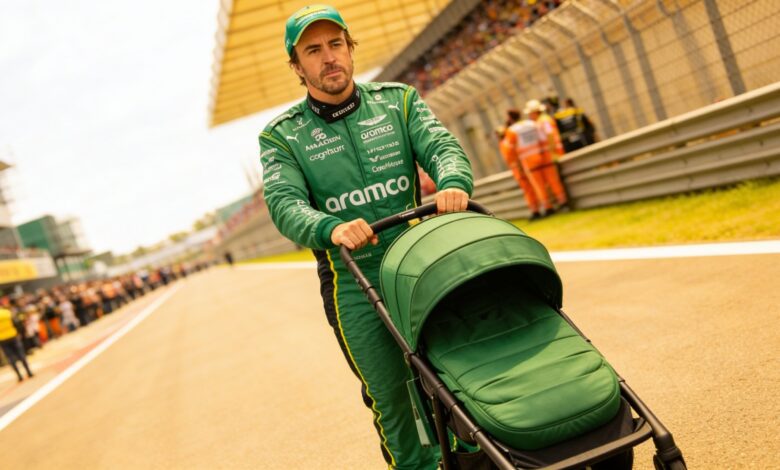
Fernando Alonso is not yet a father, but in 2026 he is expecting a new addition to his family. His partner, journalist Melisa Jiménez, is preparing for the birth of their child, and this topic is already being discussed in the paddock. Nevertheless, Alonso has long been called a ‘father’ figure by many young drivers, as his influence on the sport and personal example inspire the new generation.
Mentorship and guidance
Over his years in Formula 1, Alonso has not only achieved on-track success but also established his own agency, A14 Management, which helps young talents build their careers. Several drivers from the current grid have benefitted from his mentorship, confirming his influence on the sport’s future. This approach enables him to share experience and maintain strong competition between generations.
The blend of experience and youth has become one of the defining features of this season. Veterans like Alonso continue to impress with their consistency, while young drivers bring fresh ideas and an aggressive style to the battle for positions. According to RUSSPAIN.COM, this balance makes Formula 1 unpredictable and engaging for fans of all ages.
Against the backdrop of team changes and leadership shifts, it is worth recalling recent discussions around Aston Martin, where a potential change in management could affect the entire championship. To learn more about how staff changes can shift the balance of power in Formula 1, see the article about the inner workings of Aston Martin and its impact on the championship.
Fernando Alonso is a two-time world champion who made his Formula 1 debut in 2001. Throughout his career, he has raced for leading teams including Renault, Ferrari, and Aston Martin, becoming a symbol of Spanish motorsport. His contributions to developing young drivers and establishing the A14 Management agency have made him not only a role model but also a key figure in shaping the future of Formula 1. In 2026, Alonso remains in the spotlight, combining experience, leadership, and a readiness for change.