The Spain national team has come into the spotlight after releasing its extended squad list for the upcoming matches against Serbia and Egypt. Luis de la Fuente’s decision to include four goalkeepers and six newcomers sparked lively debate among analysts and fans. This move not only breaks with tradition but also highlights the coach’s willingness to experiment boldly in pursuit of World Cup success.
The goalkeeper lineup became the main topic of discussion. The inclusion of Joan García, long considered one of the nation’s most promising prospects, has intensified competition for a starting place. According to the coaching staff, now is the moment to give opportunities to those who can elevate the team. At the same time, none of the current keepers have been guaranteed a ticket to the World Cup — the contest remains open, and every decision will be made closer to the tournament.
Among the outfield players, the call-ups of Víctor Muñoz, Barrenetxea, Carlos Soler, and Mosquera drew special attention. Mosquera stands out in particular after showing solid form at Arsenal, and he now has a chance to debut for the national side. The coaching staff stresses these choices are not just advances but reflect player achievements and current form. Muñoz’s selection is explained by a desire to test him under maximum pressure, as he had not previously made the national roster.
Goalkeeping intrigue
Luis de la Fuente sees goalkeeper competition not as a problem, but as an advantage. According to him, having four strong candidates gives each an opportunity to prove themselves and raises the overall level of the team. The goalkeeper position has always sparked debate, but the coach is confident that habits must change if there is to be progress. The squad may still change in the coming months, as there is enough time before the World Cup for new decisions.
Joan Garcia’s call-up was a logical result of his consistent club performances. The coaching staff expects that his presence will contribute not only quality but also healthy competition. The key point is that no player can be certain of their spot—only the best over the season will go to the main tournament. This approach has already paid off for other European teams, and Spain intends to keep pace.
New faces and flexibility
The call-ups of Mosquera and Muñoz are not just experiments, but a strategic move. Mosquera, who is capable of playing both in central defense and on the flank, broadens the team’s tactical options. His versatility is especially valuable given possible injuries and changes in the lineup. Despite lacking national team experience, Muñoz has already proven himself at club level and will now have a chance to show his abilities on the international stage.
The coaching staff emphasizes that no one left out of the list has been excluded from future plans. New call-ups are possible until June, and injuries or unforeseen circumstances may open the door for other candidates. This approach keeps all players engaged and maintains high motivation. According to RUSSPAIN.COM, such squad rotation could become a key factor for success at the World Cup.
Plans and call-ups
Special attention is being paid to preparation for matches that will replace the canceled Finalissima. Luis de la Fuente points out that facing Argentina would have been an excellent test, but the focus now shifts to friendly games. It’s important that both the coach and the federation were united in their wish to hold this match, but circumstances have made adjustments. The current task is to make the most of the remaining time to test new combinations and tactical schemes.
Pablo Fornals’ call-up also came as no surprise to experts. His versatility and ability to play in different positions make him a valuable asset for the squad. The coaching staff is confident that such players can adapt to any requirements and quickly fit into the team structure. In this context, it’s interesting to compare the approach to squad selection with how European clubs choose players for key matches—for example, in the case of Citroën Berlingo and the strategy of European car manufacturers.
The inclusion of new players like Thiago Pitarch reflects the federation’s long-term strategy. Young talents are given opportunities to prove themselves at various levels—from youth teams to the senior national squad. This approach not only refreshes the lineup but also ensures generational continuity, which is especially important amid intense international competition.
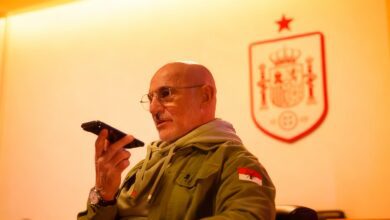
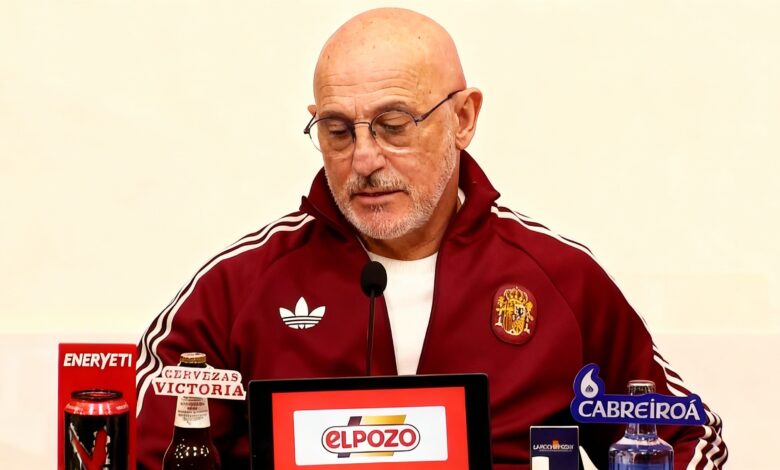
Luis de la Fuente is a Spanish football coach who has led the national team since 2022. During his tenure, he has established a reputation for bold decisions and renewing the lineup. Under his leadership, the team shows flexibility and openness to change, making it well-positioned for successful performances in major tournaments. His squad-building strategy is based on competition and trust in young players, which has already delivered noticeable results.