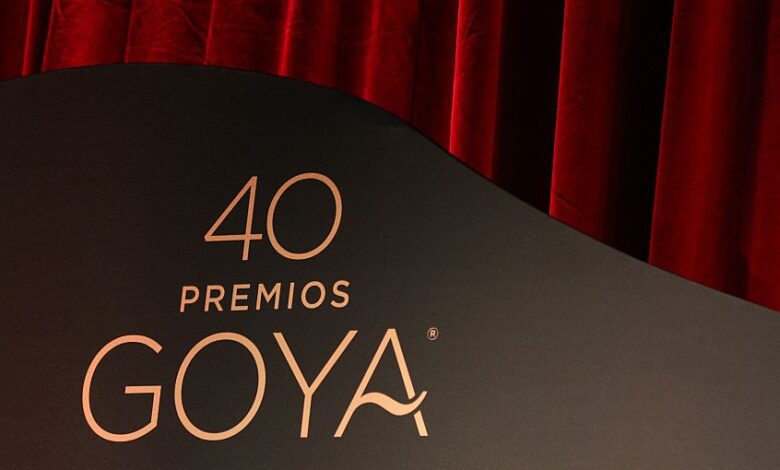
This year, all eyes in Spain are on Barcelona as the city hosts the 40th anniversary Goya Awards. For Spain’s film industry, it’s more than just another gala—the event promises to be a turning point for many directors and actors, as well as for the Catalan capital itself, which is once again becoming the epicenter of the nation’s cultural life. According to Idealista, preparations are in full swing, with growing interest in both the nominees and the ceremony’s format.
Organizers have chosen the Auditori del Centre de Convencions Internacionals de Barcelona as the venue—a location big enough to welcome not only the stars but also hundreds of industry professionals. Themed activities have already started in the city: exhibitions, meetings with filmmakers, outdoor installations, and even giant Goya busts on the main streets. Barcelona is essentially transforming into a giant stage, where every resident and visitor can feel part of this major cinematic event.
Special attention is on the hosts: Luis Tosar, an acclaimed master of drama, and Rigoberta Bandini, a singer and icon of the new generation, promise to make the evening not just solemn, but unexpectedly lively. Their duet is a bet on blending tradition with freshness—especially crucial for this anniversary edition. The program features musical performances, sharp monologues, and, of course, moments destined to become part of Goya history.
Main Nominees
This year’s list of award contenders surprises with its diversity. Leading is “Los domingos” with 13 nominations—a film already touted as the season’s major discovery. It is followed by “Sirât” (11 nominations), “Maspalomas” (9), “La cena” (8), and “Sorda” (7). All these works are featured in the Best Film category, highlighting the high level of competition. “El Cautivo” and “Los Tigres” have also caught attention, each securing 7 mentions.
The directors’ race features well-known names: Alauda Ruiz de Azúa, Carla Simón, Oliver Laxe, Jose Mari Goenaga, Aitor Arregi, and Albert Serra. Among the actors and actresses are both established stars and new faces: Alberto San Juan, Miguel Garcés, Jose Ramón Soroiz, Mario Casas, Manolo Solo, Ángela Cervantes, Patricia López Arnaiz, Antonia Zegers, Nora Navas, and Susana Abaitua. The screenwriting categories include both original and adapted works, reflecting the richness of ideas and topics explored in Spanish cinema over the year.
Where and how to watch
The ceremony will be broadcast live on La 1 de RTVE and the state broadcaster’s digital platforms. This will enable viewers from anywhere in the country and abroad to follow the event in real time. Of particular interest is the live stream from the red carpet, where you will see not only the stars but also surprise guests and hear the first reactions from the nominees before the ceremony begins.
This year, organizers are emphasizing interactivity: viewers will be able to comment on events, take part in online voting, and even influence the selection of certain special awards. This approach turns Goya 2026 into not just a television show, but a true national event that unites film fans across the entire country.
Barcelona and the Goya Awards
The choice of Barcelona as the venue for the anniversary ceremony is no coincidence. The city previously hosted the Goya Awards in 2000, when the event proved to be a real cultural breakthrough for the region. This time, the scale is even greater: local authorities are supporting film-related initiatives, and residents are actively participating in preparations. The streets are decorated with themed installations, while cinemas are screening special showings of nominated films.
According to Idealista, Barcelona expects an influx of tourists and visitors from other regions during the days of the Goya Awards. This is not only a cultural, but also an economic event, with hotels, restaurants, and booking services reporting increased demand. For the city, it’s a chance to reinforce its reputation as one of Spain’s leading cultural centers.
The Goya Awards are not only a recognition of filmmakers’ achievements—they also serve as a reflection of society. Each year, the ceremony becomes a platform for discussing pressing issues, from equality and inclusion to new industry challenges. In 2026, as Spanish cinema experiences another resurgence, the significance of the awards only continues to grow.
Established in 1987, the Goya Awards have long been a symbol of Spanish cinema. Over the years, the ceremony has seen groundbreaking debuts and unexpected triumphs. For example, the 2023 event in Seville stood out for its record number of new laureates and powerful social messages from the stage. Each year, Goya not only celebrates the best films, but also sets the tone for the entire industry in the years ahead.