In February 2026, residents and visitors of Barcelona will have a rare opportunity to see the city from an unusual perspective. In the very heart of the Catalan capital, where ordinary citizens rarely set foot, one of the city’s most secluded balconies will open for unrestricted public access. This event could reshape perceptions of urban space and draw attention to hidden architectural gems that remain out of sight for most people.
This concerns the Maria Aurèlia Capmany viewpoint (Mirador Maria Aurèlia Capmany), located atop the Novíssim Building (Edifici Novíssim) at City Hall. Normally, this balcony is closed to the public and reserved only for official use or special ceremonies. However, in honor of the city’s winter festival Santa Eulàlia, its doors will open for everyone—no tickets or advance registration required.
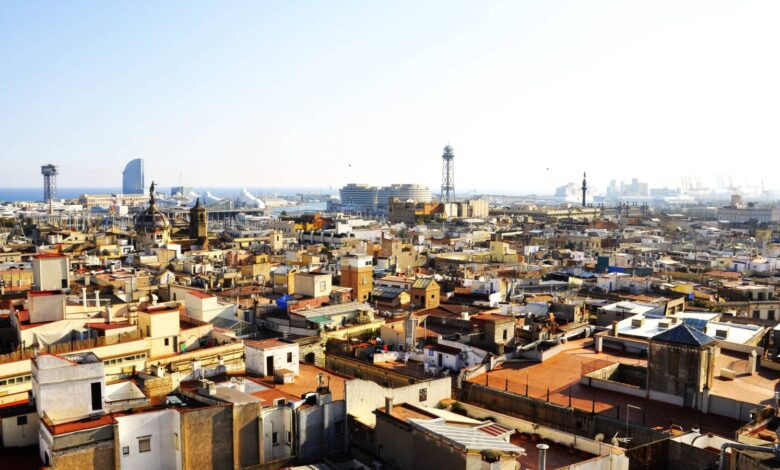
Panorama of the old city
This observation deck—little known even among lifelong locals—offers a view of Barcelona from a height inaccessible to most. It provides a sweeping outlook over the historic center, Ciutat Vella, gothic rooftops, the coastline, and even the hills of Montjuïc. Entry will be organized from Plaça Sant Miquel, but visitor numbers will be limited for safety reasons.
Throughout the year, this balcony remains closed, and only on Santa Eulàlia’s Day, celebrated on February 14, does it become accessible to everyone. Opening hours are from 10 a.m. to 8 p.m. For many, this is a first chance to see the city from above—a view usually reserved for City Hall staff or official delegations.
Historical context
The viewpoint is named after Maria Aurèlia Capmany — a writer, public figure, and one of the key figures in Catalan cultural resistance in the 20th century. Her contribution to urban life and the fight for women’s rights is recognized not only in literature but also in the city’s place names. The balcony has become a symbol of openness and a reminder of those who shaped modern Barcelona.
On the same day, the Barcelona City Hall will hold an open house, allowing visitors to access not only the viewpoint but also other halls that are usually closed to the public: Saló de Cent, Galeria Gòtica, Capella del Bon Consell. Some rooms will offer guided tours and even sign language interpretation.
Urban secrets
The Santa Eulàlia festival is traditionally accompanied by a program that allows you to discover little-known corners of the city. This time, special attention is given to architectural landmarks and hidden viewpoints that rarely make it onto tourist routes. For many residents, it’s a chance to see familiar streets and buildings in a new light, while for visitors, it’s an opportunity to discover a different side of Barcelona.
Limited access and the unique character of the location make this event particularly appealing. Last year, similar initiatives caused a stir: lines formed long before the doors opened, and photos from unusual angles quickly spread across social media. In 2026, the interest is expected to be just as high, especially among lovers of urban history and architecture.
Architectural discoveries
In recent years, Barcelona has increasingly hosted open house days at historic buildings and previously closed terraces. These events are becoming part of the city’s policy to promote cultural heritage and encourage residents to engage in city life. The opening of the Capmany Viewpoint is just one example of how city authorities are working to make Barcelona more accessible and open to everyone.
Similar initiatives are also gaining popularity in other Spanish cities. For example, in Madrid and Valencia, towers, rooftops, and inner courtyards that are usually hidden from view are opened to the public each year. This not only attracts tourists but also helps locals discover their city, experience its history, and feel its atmosphere.
In 2025, Barcelona also held similar events: for the first time in many years, the public gained access to the tower at Sant Jaume Square and to the terrace of one of the city’s oldest bank buildings. These occasions sparked great interest and fueled discussions about the need for more frequent public openings of urban spaces.