Victoria Federica de Marichalar y Borbón, niece of King Felipe VI of Spain, has quickly evolved from a member of the royal family into one of the most influential figures in the Spanish fashion scene. At age 21, she made her Instagram profile public, instantly attracting hundreds of thousands of followers. Today, her audience exceeds 370,000. However, her success goes beyond social media: leading brands see her as a powerful channel for reaching a young audience and actively invite her to front their advertising campaigns.
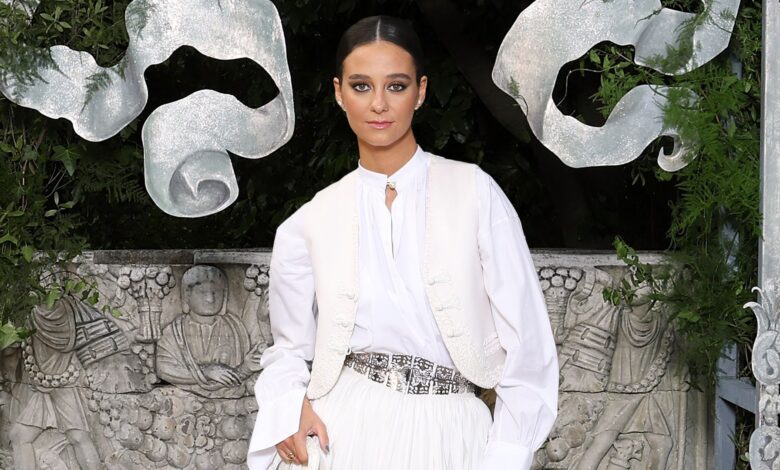
The Victoria Federica phenomenon is largely explained by her ability to speak the language of Generation Z. According to stylist and fashion collector Pablo Weist, her style is a mix of freedom, authenticity, and experimentation. She skillfully blends global trends—from boho and surfer looks to sporty chic—and isn’t afraid to combine pieces from accessible brands like Adidas, New Balance, or Bimba y Lola with luxury labels. Her outfits embody a key idea of modern fashion: self-expression is more important than strict rules.
What makes her particularly intriguing is the contrast between her background and her rebellious spirit. Victoria Federica belongs to a dynasty where protocol and public image have historically played a key role. However, she deliberately reinterprets these inherited codes, opting for vibrant and versatile fashion. As Weist notes, she has turned away from the classic “royal dress code” still followed by many European royals. Every time she appears on the red carpet, there is an air of surprise. A turning point came when she wore a daring dress by Lorenzo Caprile, marking the birth of a new, freer and bolder “Vic.”
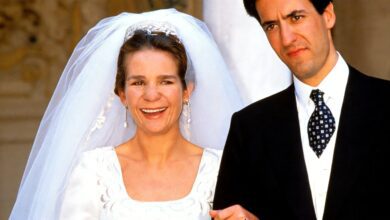
Her sense of style is largely a reimagined inheritance. Her mother, Infanta Elena, also broke away from classic conventions during her marriage to Jaime de Marichalar. Marichalar, who had close ties with the world of haute couture, had a significant influence on the Infanta’s style, bringing in cosmopolitan flair and elegance. Her wardrobe featured looks from Valentino, Chanel, and Dior. According to experts, this experience laid the foundation for her daughter’s fashion experiments, who now effortlessly combines tradition and avant-garde in her own looks.
Victoria Federica is not afraid to push the boundaries set for members of the royal family. A striking example was her viral advertising campaign for the Nude Project brand, in which she appeared alongside TV presenter Belén Esteban. The commercial, featuring two women of completely different backgrounds and styles meeting in an elevator wearing identical jackets, became a national sensation. The media called it an “unthinkable crossover” that symbolized “two Spains.” This move, together with her participation in popular TV shows and appearing in Starbucks ads, has firmly established her as an independent media personality.
Eclecticism and attention to detail are key elements of her recognizable style. She skillfully combines classic pieces with streetwear elements and bohemian touches. Accessories play an important role: chunky necklaces, belts, and bags transform even the most basic look into something personal. Victoria Federica has a particular passion for vintage. According to Weista, her vintage Chanel bag, inherited from her grandmother, has become a cult element of her wardrobe, symbolizing generational ties and timeless elegance. At the same time, she doesn’t limit herself to classics, boldly incorporating sheer fabrics, metallic textures, and asymmetrical cuts into her looks.
Thus, Victoria Federica de Marichalar represents a new generation of European royals, alongside Olympia of Greece and Pauline Ducruet. These young women set trends and demonstrate that royal heritage can successfully be combined with the role of a modern influencer, shaping fashion and culture.