In recent years, Castile and León has faced a growing problem: the disappearance of stores in small towns. For residents of these villages, this means not only struggling to buy groceries and essentials, but also losing traditional social gathering places. According to El Pais, almost half of the region’s municipalities are left without any shops, except for the occasional bar or visiting vendor trucks.
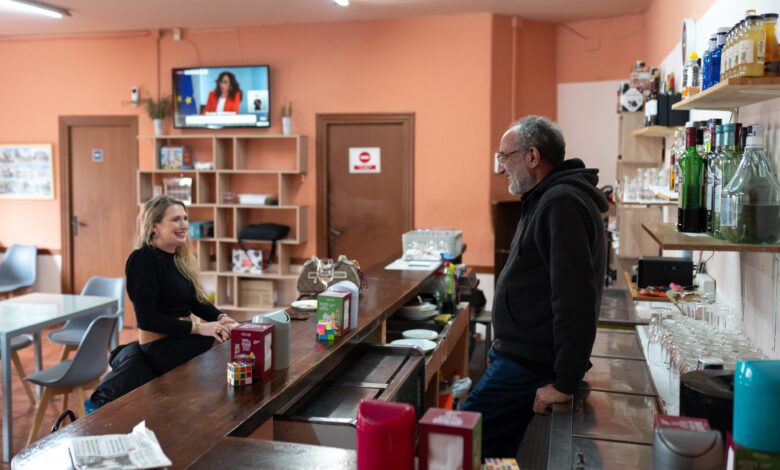
In Torremormojón, which has just 40 residents, the closure of the last general store became a symbol of change. The shop, once the heart of village life, disappeared after the owner’s death. Now, there’s an empty lot in its place, and for a long time the only bar was shuttered. Recently, Miguel Jiménez, who returned from years abroad on Mallorca, reopened it. In summer, he sells basic food and household goods, but in winter the selection is limited, and locals have to shop in larger towns or wait for mobile vendors.
Rural isolation
For many families, as El Pais notes, trips to Palencia or Medina de Rioseco have become a routine necessity. On Wednesdays, when a market is held in a nearby town, residents stock up on vegetables, bread and other staples. At other times, they rely on neighbors’ help or their own homesteads—gardens, chickens, and homemade preserves. In the colder months, Torremormojón’s population drops to just 12 people, making it economically unviable to run a year-round store.
Locals admit that without bars and the occasional shop, life in the village becomes even more isolated. Neighbors often talk only when they need to exchange food or make an urgent purchase. Some worry that if the bar turns into a store, delivery vans will stop coming, making selection even more limited.
Economy and Demographics
The situation in Torremormojón reflects a broader trend across Castilla y León. Official statistics show that 42% of the region’s municipalities lack shops, affecting nearly 86,000 people. While this may seem like a small share of the overall population, the impact on rural areas is critical. Most inhabitants live in cities, while small villages are mostly left to elderly residents, for whom traveling to shop is a challenge.
Adolfo Sainz, president of the Confederation of Commerce of Castilla y León, believes rural shop owners are true heroes. They provide not just groceries, but also sustain social ties. However, rent, taxes, and utility costs remain high, while the customer base keeps shrinking. After a shop closes, a village loses not just a service, but also part of its identity.
Looking for Solutions
Regional authorities are trying to support small businesses through grants and programs for new entrepreneurs. However, as El Pais notes, the main problem is population decline and the lack of generational renewal. Young people move to the cities, while elderly residents cannot sustain demand for goods. As a result, even with financial support, opening new shops does not always prove viable.
In similar situations in other regions of Spain, attempts have been made to preserve local commerce through cooperatives or combined shop-cafés, but the success of these initiatives depends on the involvement of local residents and municipal support. In some cases, as shown by Barcelona’s experience, professional communities can play a key role in changing the service structure — more details are available in the article about the influence of lawyers on the development of urban communities in this analytical overview.
In recent years, Spain has increasingly been discussing how to keep life thriving in small towns. Some provinces have launched pilot projects for home delivery services and the development of mobile services. In Galicia and Aragón, there has been growth in the number of mobile stores, while in Andalucía, local authorities have supported the creation of multifunctional centers that combine commerce and social services. Despite these efforts, the disappearance of shops in rural Spain remains one of the most pressing issues for regions facing population decline.