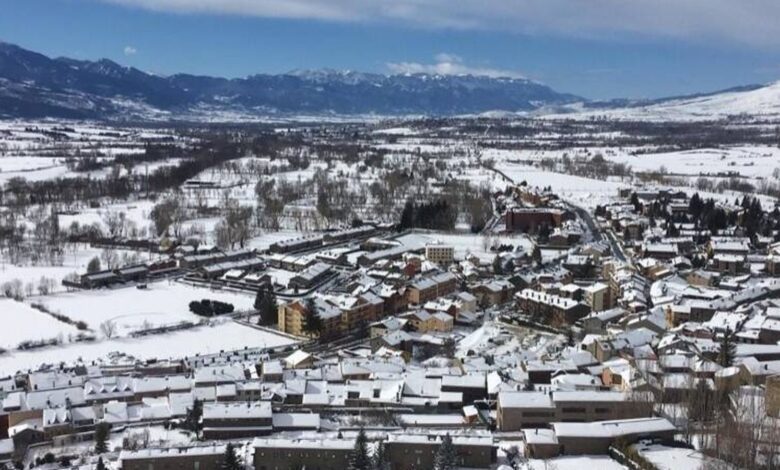
In the very heart of the Pyrenees, where Spanish and French lands weave into a complex tapestry, lies a town that can surprise even seasoned travelers. Llívia is a tiny Catalan enclave, as if it had slipped out of the usual geography. Here, the Spanish flag flies against the backdrop of French mountains, and locals face the paradoxes of centuries-old borders on a daily basis.
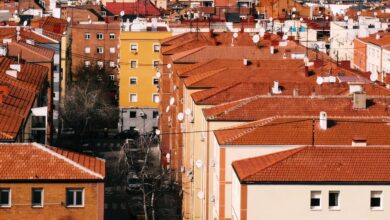
At first glance, Llívia appears to be just another Catalan town: narrow streets, old houses, cozy squares. But one look at the map reveals that the town is completely surrounded by French territory. The only way to reach it is by French roads, creating the sensation of stepping into a parallel reality. This situation is not the result of modern political maneuvering, but the legacy of the tumultuous events of the seventeenth century.
A historical paradox
In 1659, as Europe was recovering from the Thirty Years’ War, Spain and France signed the famous Treaty of the Pyrenees. As a result, most of Catalan Cerdanya went to France. However, Llívia remained Spanish—thanks to its status as a town rather than a village. This legal nuance forever changed the fate of the small settlement, turning it into a unique enclave.
Since then, Llívia has existed at the crossroads of two worlds. Here, Spanish is spoken alongside French, and Catalan traditions intertwine with Gallic customs. The town has become a symbol of historical memory and stands as a unique monument to the diplomatic intricacies of the past. Every stone here preserves echoes of the times when borders shifted at the will of monarchs and diplomats.
Geography Without Borders
Today, Llívia is home to around 1,500 residents who cross the invisible line between two countries every day. For locals, a trip to the nearest Spanish city always means traveling through France. This unusual situation creates numerous everyday and legal nuances—from police work to organizing school outings. But the people of Llívia have long grown accustomed to their special status, and even take pride in it.
The town sits more than 1,000 meters above sea level, giving it a distinct mountain charm. In winter, it attracts ski enthusiasts, while in summer, hikers and fans of fresh air come here. Llívia seems tailor-made for those who seek solitude and unique experiences away from tourist crowds.
The Treasures of Llívia
Beyond its unique geographical location, Llívia is renowned for its historical heritage. It is home to one of Europe’s oldest pharmacies, dating back to the Middle Ages. The town’s church, Nostra Senyora dels Àngels, impresses with its austere appearance and ancient atmosphere. The Bernat de So tower rises above the town, recalling bygone days and military alarms.
Local museums tell the story of life on the border and how major political decisions have shaped people’s destinies. Each exhibit is a piece of the complex mosaic that forms the history of Llívia. Tourists who come here often note the city’s special energy: here, the past is felt in every alleyway.
Life at the crossroads of cultures
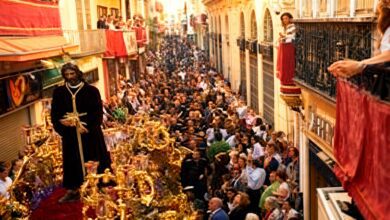
Llívia is not just a geographical anomaly, but a living example of how history and politics can shape daily life. Festivals here are celebrated according to Catalan traditions, yet French influence can be felt in both the cuisine and the manner of communication. Locals switch languages effortlessly, and children learn from an early age to live in two worlds at once.
The city has long attracted attention not only from tourists but also from researchers. Sociologists, historians, and geographers come here to understand how identity is formed in a place of constant cultural exchange. Llívia is a living experiment that has continued for centuries.
Llívia is more than just a point on the map—it’s where history becomes part of everyday life. Here, every day is a reminder of how past decisions can define the present. The city continues to surprise and inspire, remaining a symbol of uniqueness and resilience at the crossroads of two great cultures.
Llívia is a city unlike any other in Spain. Its unique fate was sealed in 1659, when the Treaty of the Pyrenees left it as part of Spain, despite being surrounded by French territory. Today, Llívia stands not only as a historical landmark, but also as a vibrant community where tradition and modernity are woven into a unique tapestry. The city has become a symbol of how a small settlement can preserve its identity and emerge as a true gem on the map of Europe.