A dramatic scene is unfolding in the courtroom of Catarroja, one that neither politicians nor ordinary residents of Valencia will soon forget. Salome Pradas, former head of the Department of Justice and Interior, has found herself at the center of an investigation into the disaster that claimed 230 lives in 2024. On Friday, she stated that, at the most critical moment, she was unable to contact then-president Carlos Mazón to discuss a possible lockdown. According to Pradas, she tried calling him at 19:36, but her attempt was unsuccessful, and only a few minutes later did she manage to speak with government secretary Cayetano García.
Pradas emphasized that it was the president who should have made the call on whether to impose restrictions. However, when she couldn’t reach him, she turned to his closest advisers. This became a focal point of the inquiry: who should have taken responsibility for the fate of thousands, and when?
A courtroom showdown
On Monday, in the same courtroom, Pradas faced off with José Manuel Cuenca, former chief of Mazón’s staff. Judge Nuria Ruiz Tobarra arranged the confrontation to clarify who was giving orders during the peak of the disaster. Cuenca, who had previously testified as a witness, maintained that he gave Pradas no instructions regarding population isolation. However, the case file includes messages where Cuenca explicitly tells her, ‘Salo, no lockdown,’ and confirmation that Pradas informed him about the first fatality in Utiel as early as 16:28.
Cuenca tried to explain these statements by claiming they were taken out of context. However, their content clearly contradicts his previous remarks. The question of who actually directed actions during the critical hours remains unresolved. The judge noted that discrepancies in the testimonies require thorough examination, which is why a face-to-face confrontation between the two key figures was ordered.
Outrage and Protest
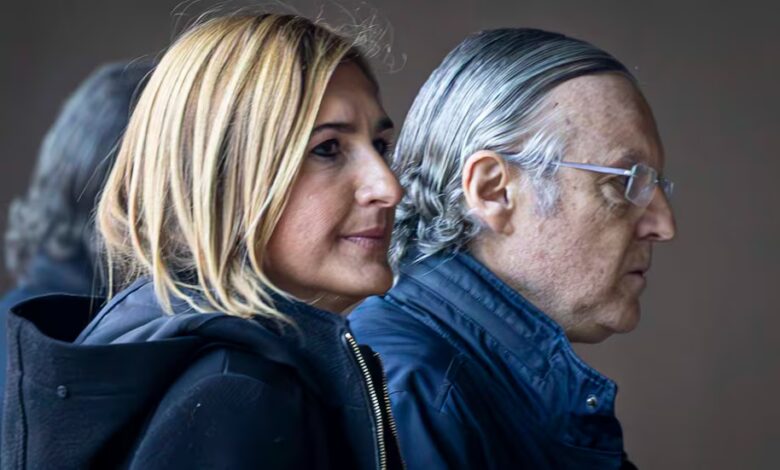
While the court dissected the details inside, dozens of victims and relatives of those who died gathered at the entrance. Holding signs reading “No forgiveness, no forgetting” and shouting “Shameless!” and “Murderers!”, they confronted Cuenca and Pradas. Cuenca arrived at the courthouse at 9:08 a.m., immediately facing a barrage of accusations. Pradas appeared a few minutes later and was met with equally harsh words. Neither of them spoke to the journalists waiting at the doors.
Public reaction to the case is intense. People are demanding not only justice but honest answers: who is responsible for putting hundreds of lives at risk, and why were decisions made amid chaos and confusion?
Documents and Contradictions
The presiding judge agreed back in December to a face-to-face confrontation at the request of the public organization Acció Cultural del País Valencià. This followed new evidence submitted by Pradas’s defense: notarized WhatsApp chats between her and Cuenca. The second layer of contradictions appeared after a renewed interrogation of Cuenca, in which he offered a completely different interpretation of these messages, claiming they did not reflect the real situation.
The judge stressed that such disagreements cannot be resolved without a direct comparison of both sides’ positions. She indicated that Pradas’s testimony should not be treated as a mix of legal statements, public speeches, and comments at the parliamentary commission. Only a face-to-face confrontation can clarify who is telling the truth and who is avoiding responsibility.
Key questions
At the heart of the trial are not only the personal relations between the former officials, but also the very system of decision-making in crisis conditions. Why couldn’t anyone reach the president at the critical moment? Who was supposed to step up? Most importantly, why did messages that could have saved lives go unanswered?
The court proceedings continue, with each session revealing more unexpected details. The public is waiting for clear answers. For now, however, the case resembles a tangled knot in which every participant is trying to protect themselves and the truth slips between lines of chats and public statements.