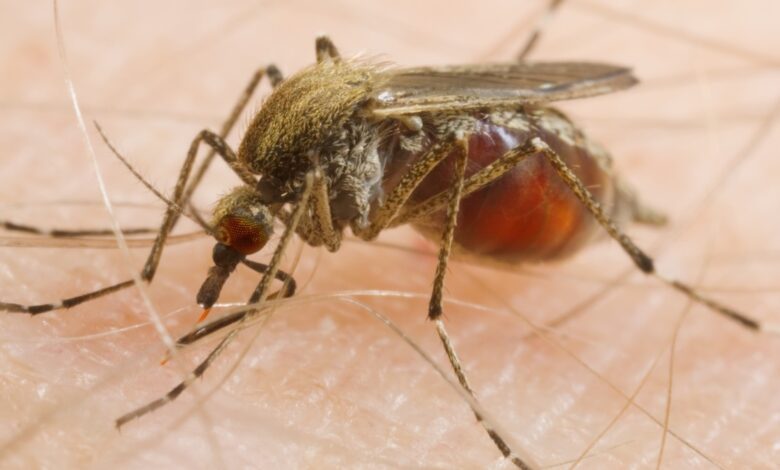
A concerning shift is taking place in Brazil’s tropical forests: mosquitoes are increasingly turning to human blood, ignoring their usual wild animal hosts. A new study in the Atlantic Forest has shown that declining biodiversity directly affects these insects’ feeding habits. The fewer animals around, the more often mosquitoes switch to humans—a change that goes beyond being a mere nuisance and poses a serious health risk.
Scientists from the Federal University of Rio de Janeiro and the Oswaldo Cruz Institute conducted extensive mosquito trapping in two nature reserves. DNA analysis of blood found in female mosquitoes revealed that the overwhelming majority of samples contained traces of human blood. Birds ranked second, while traces of other animals were found extremely rarely. Researchers are convinced the cause lies in deforestation and the displacement of wildlife—mosquitoes simply have no other choice.
Losing balance
When humans encroach on nature, they not only destroy ecosystems but also inadvertently become the main food source for bloodsucking insects. In areas once inhabited by a diversity of mammals and birds, humans now dominate. Mosquitoes, deprived of their usual hosts, are forced to adapt and look for new ways to survive. This isn’t just evolution—it’s a necessity brought on by human activity.
The situation is exacerbated by the fact that mosquitoes are among the primary carriers of dangerous diseases. Malaria, dengue fever, Zika virus — all of these illnesses can spread more rapidly if mosquitoes increasingly feed on human blood. Scientists emphasize that the fewer animals there are around, the greater the risk of epidemics among people. And this process is already underway.
Traps and discoveries
To collect material, researchers used light traps, which are especially effective for hungry mosquitoes. However, those that have already fed tend to hide and rest, making them harder to catch. Despite this, they managed to collect more than 1,700 specimens, with only 24 containing blood remnants suitable for analysis. These samples revealed DNA from 18 different people, traces of six bird species, and isolated cases of blood from amphibians, rodents, and canines.
Biologists note that such studies are crucial for understanding how insect behavior shifts as biodiversity declines. This not only helps to monitor health risks, but also to develop new strategies for controlling the spread of infections. In the future, scientists plan to refine their capture and analysis methods to obtain even more accurate data.
Humans as a magnet
Why do humans become the main target? The answer is simple: in deforested areas, people are the most available and plentiful source of blood. Mosquitoes aren’t picky—they’re guided by the presence of victims. The more people there are in a region, the higher the likelihood of being bitten. This is supported by observations in other countries, where urbanization leads to similar consequences.
Experts emphasize that if the destruction of natural habitats isn’t stopped, the situation will only get worse. Mosquitoes rapidly adapt to new conditions, making humans easy prey. As a result, not only do bites increase, but the risk of dangerous disease outbreaks rises as well.
A challenge for medicine
Understanding how mosquito feeding preferences change opens up new opportunities for disease prevention. Whereas malaria and other infections were previously fought by controlling insect populations, now it’s crucial to consider environmental factors as well. Preserving biodiversity is not just an environmental issue—it’s becoming a matter of public health.
Scientists urge greater attention to the connection between the environment and public health. The more animals disappear, the heavier the burden on healthcare systems. In the context of global warming and urbanization, this problem is becoming especially urgent.
RUSSPAIN notes that the Federal University of Rio de Janeiro (Universidade Federal do Rio de Janeiro) is one of Brazil’s largest scientific centers, actively engaged in research in ecology, biology, and medicine. The Oswaldo Cruz Institute (Instituto Oswaldo Cruz) is the nation’s leading institute for the study of infectious diseases and epidemiology, founded in the early 20th century. Both institutions regularly collaborate on joint projects aimed at addressing current public health challenges and preserving the country’s natural heritage.