The automotive industry is once again on the brink of change, and this time it’s not about a new electric car or another useless gadget in the cabin. The Chinese have decided it’s time to throw out the hydraulics that have been considered the gold standard of reliability for decades, and replace them with electronic brakes. Yes, now even braking will be handled not by the driver, but by software. And if anyone thinks this is just another marketing ploy, take a look at the consequences: less mechanics mean fewer breakdowns, and that means fewer reasons to visit your favorite mechanic. But most importantly, the system’s response time is now measured not in seconds, but in milliseconds. The real question is whether Europeans are ready to trust their lives to microchips from China.
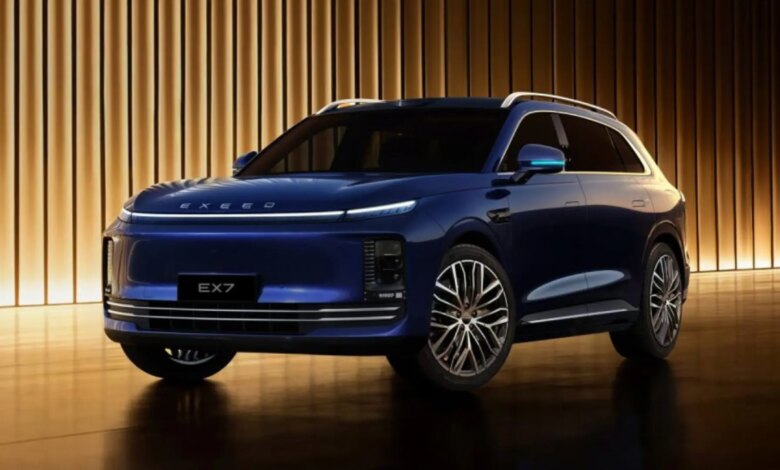
Still, there are plenty of skeptics. Not long ago, the switch from drum to disc brakes seemed revolutionary, and now it’s the standard even for budget models. But while engineers argued then about materials and designs, today the debate is about who will be liable in the event of an accident — the driver or the programmer. It’s ironic that as Europe debates how to protect its factories from the Chinese expansion, Chery is already preparing to launch the first production car with electronic brakes. And this isn’t just a concept for a trade show, but a real Exeed EX7, which will soon be hitting the roads.
No-compromise technology
The essence of the innovation is almost absurdly simple: the brake pedal is no longer connected to the wheels by a single drop of fluid. Instead, pressing the pedal sends an electrical signal that instantly reaches actuators at each wheel. The result is nearly instantaneous system response, with braking precision reaching levels previously only dreamed of. The manufacturer promises shorter stopping distances and greater safety. But, as always, there’s a catch: now everything depends on the quality of the code. A programming error—and the brakes might decide to let go unexpectedly.
Chery claims their system has undergone three years of testing and can withstand any whims of drivers and weather conditions. However, experience shows that even the most reliable technologies can sometimes fail. Still, for drivers tired of constant hydraulic repairs, the idea of forgetting about leaks and fluid changes is very appealing. Especially since servicing electronic brakes promises to be simpler and cheaper. Mechanics, on the other hand, may be out of a job—there’s simply nothing much to fix.
A new era of safety
The switch to electronic brakes also opens up new possibilities. For example, you can now adjust the system’s response to match a specific driver’s style. Prefer sharp stops? Sure. Want something smoother? Not a problem. All of this is handled via software, meaning updates and upgrades can be delivered remotely, without having to visit a service center. Moreover, diagnostics can now be performed online, which is especially relevant for those who don’t want to waste time waiting in line at auto repair shops.
Interestingly, these changes are happening against the backdrop of explosive growth in the Chinese automotive industry. Just recently, the Geely EX2 electric crossover shook up the market, becoming a sales leader and causing panic among European manufacturers. This was covered in detail in the article about record sales of new cars in China and the dominance of electric vehicles. Now, the Chinese have decided it’s time to set trends in safety as well, not just in electrification.
Who benefits from this
The advent of electronic brakes is not just a technological leap—it’s also a blow to the traditional business of auto repair shops and parts manufacturers. Fewer components mean fewer breakdowns, and consequently, less income for those who are used to profiting from repairs. On the other hand, drivers get a chance to benefit from a more reliable and predictable system that won’t fail at the worst possible moment. Of course, there will always be those who feel nostalgic for good old hydraulic systems, but progress doesn’t wait for permission.
The question of trust in new technologies remains open. While some welcome the ability to update brakes over the internet, others fear that another software bug could spell disaster on the road. However, history shows that any innovation is first met with fear, then becomes routine. The main thing is for manufacturers to keep safety in mind, instead of just chasing savings and trends.
Chery Automobile is a Chinese automotive giant that has transformed from a local player into one of the world’s market leaders in recent years. The company owns brands such as Exeed, Omoda, Jaecoo, and Ebro, and is actively promoting innovative solutions in safety and electronics. The development of electronic brakes has become another step for Chery in the race for leadership, and the launch of the Exeed EX7 with this system is a vivid example of how the Chinese are unafraid to take risks and change the rules of the game on the global market.