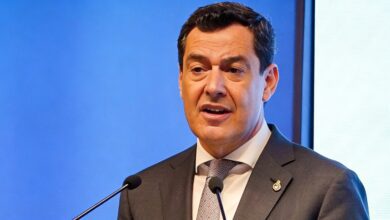
During a recent address, La Liga president Javier Tebas once again highlighted the differences in financial approaches between Spanish clubs and their European rivals. He noted that teams from Spain are required to comply with strict economic regulations, while in other countries, such as England and France, different standards apply.
Tebas emphasized that Spanish clubs face opponents who are not subject to the same spending controls. According to him, the English Premier League is already beginning to notice an increase in debt burden, and some clubs, particularly Manchester City, have shown negative financial results for many years. He believes a similar situation can be seen at PSG, which has recorded significant losses over several consecutive seasons.
The head of La Liga pointed out that despite these differences, Spanish teams continue to compete successfully in Europe. He recalled that in recent years, Spanish clubs have achieved significant successes in international tournaments, surpassing Premier League representatives in the number of titles.
Tebas also emphasized the need for further development of stadium infrastructure in Spain. In his view, increasing the number of VIP boxes and improving conditions for fans would boost club revenues and help close the gap with English and German teams in this regard. He noted that currently, the share of VIP seats at Spanish venues is significantly lower than in England and Germany, expressing confidence that the situation will change in the coming years.
Another key topic of his speech was the economic control system in place in La Liga. Tebas recalled that in recent years, Spanish football has moved from significant debt to financial stability. The introduction of centralized TV rights sales and the implementation of financial fair play principles have enabled clubs not only to reduce debt, but also to increase financial transparency.
He pointed out that as a result of these measures, no La Liga club has been liquidated due to debt obligations, and the expenditure control system itself has become one of the most effective in Europe. According to Tebas, this approach ensures the long-term sustainability of Spanish football and allows it to remain competitive on the international stage.