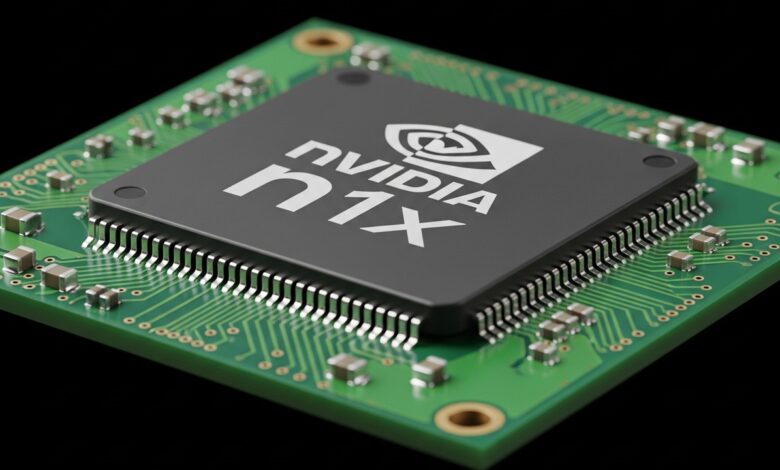
The introduction of NVIDIA N1 processors in Lenovo, Dell, and Alienware laptops could completely reshape the personal computer market. These chips, designed for running Windows on ARM, have the potential not only to challenge established Intel and AMD solutions, but also to act as a catalyst for new technology development in the mobile device sector. For the first time in a long while, manufacturers will have a real alternative that can impact the price, performance, and battery life of laptops.
According to MuyComputer, NVIDIA is returning to a segment it once tried to conquer, but this time the landscape is different. The company, now a leader in graphics accelerators and data center solutions, has decided to once again position itself as a provider of integrated system-on-chip solutions for the mass market. This time, the focus is on a partnership with MediaTek and leveraging ARM architecture, aiming to deliver not only high performance but also energy efficiency—a crucial factor for today’s mobile devices.
Partnerships and technology
The new processors are the result of a collaboration between NVIDIA and MediaTek. According to MuyComputer, these are consumer versions of the professional-grade GB10 chip, which is already used in AI supercomputers. In the consumer market, this chip is known as N1 and N1X, with the latter featuring more cores and a more powerful Blackwell graphics module. Notably, the processor includes not only a CPU and GPU, but also a dedicated neural unit to accelerate AI tasks.
This strategy allows NVIDIA to compete not only with traditional x86 solutions but also with Apple, which has been successfully using ARM in its Macs for several years. The new N1 and N1X chips feature up to 20 compute cores, while the graphics section packs 6,144 CUDA cores, promising high performance with low power consumption. This could be a decisive factor for users who value not only speed but also long battery life.
Market Impact
The introduction of these new processors has already attracted the attention of major manufacturers. According to MuyComputer, Lenovo is preparing several laptop models based on the N1, including the popular Ideapad, Yoga, and Legion series. Dell and Alienware also plan to release devices using these chips, a sign of NVIDIA’s serious intent to capture a significant market share. For Intel and AMD, this marks the arrival of a strong competitor—especially if Microsoft can offer full Windows support for ARM.
So far, the success of ARM devices on Windows has been limited, mainly due to poor software optimization and lack of performance. However, with the release of the N1, this could change: the new chips promise not only high speed, but also compatibility with modern workloads, including artificial intelligence and graphics processing. This opens up new opportunities for manufacturers and users seeking a balance between performance and battery life.
Prospects and challenges
Despite its ambitious plans, NVIDIA faces many tasks ahead. The main one is convincing software developers and Microsoft itself of the need for robust support of the ARM platform. Without this, even the most powerful chips will not reach their full potential. Moreover, competition with Apple, Intel, and AMD requires constant technological improvement and flexibility in pricing.
Nevertheless, the arrival of the N1 has already sounded the alarm for competitors. If NVIDIA succeeds in delivering on its promised specifications and ensures stable Windows performance on ARM, the laptop market could undergo its most significant transformation in recent years. Users will get more choices, while manufacturers will be motivated to innovate and lower prices.
NVIDIA is one of the world’s largest manufacturers of graphics processors and system-on-chip solutions. Founded in 1993, the company has evolved over three decades from a developer of graphics cards for gamers into a leader in artificial intelligence and computing platforms for data centers. In recent years, NVIDIA has been actively investing in the development of ARM architecture and collaborating with leading electronics manufacturers to bring new solutions for personal computers and mobile devices to the market.