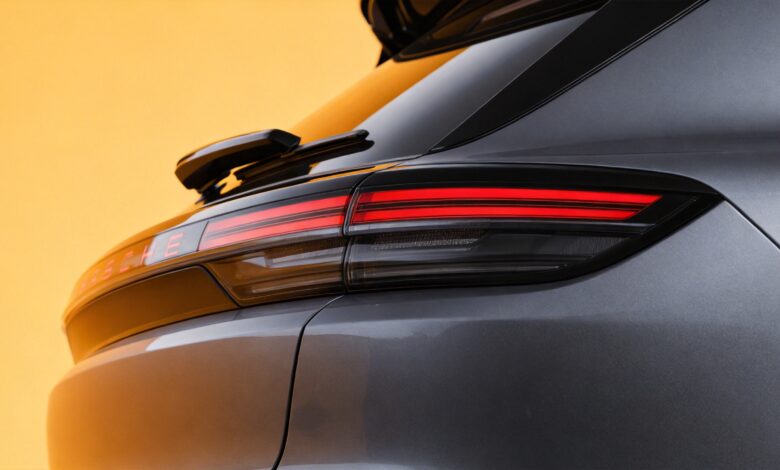
Porsche’s plans to build the largest electric SUV in the brand’s history have come under threat due to global market shifts and rising costs. Instead of becoming a symbol of the transition to electric vehicles, the K1 project has now transformed into a flagship hybrid powered by gasoline V6 and V8 engines. This decision reflects not only the company’s strategy, but also a broader trend among premium brands having to revise their ambitions as demand for electric cars falls and new platform development faces challenges.
As a result, the upcoming K1 will be built on Volkswagen Group’s Premium Platform Combustion (PPC), enabling the use of modern gasoline engines and hybrid systems. This move helps Porsche cut costs and bring a competitive model to market more quickly, ready to compete with the BMW X7 and Mercedes GLS. According to Autobild, the K1 will become the most spacious SUV in the lineup, offering versions with four, five, or seven seats.
Strategy and competitors
Switching to hybrid and gasoline engines for the K1 is driven not only by Porsche’s internal challenges, but also by global changes in the automotive industry. In recent years, interest in electric vehicles has noticeably declined in Europe and the US, while development costs for new electric platforms continue to climb. Even major manufacturers are having to seek compromises under these conditions. The K1 will be closely linked to the future Audi Q9, which is also being developed on the PPC platform and will become Audi’s new flagship. Both vehicles will be produced at Volkswagen’s plant in Bratislava (Slovakia), where the electric Cayenne is already assembled.
By focusing on hybrids and gasoline engines, Porsche not only reduces risks but also remains attractive to customers who are not yet ready to fully give up traditional powertrains. Notably, the K1 will feature the latest 4.0-liter twin-turbo V8 and 3.0-liter V6 engines, as well as advanced hybrid systems. This will ensure high power output and dynamic performance, which is especially important for the premium SUV segment.
Platform and Production
The decision to use the PPC platform instead of the originally planned all-electric SSC is due to software development delays and declining interest in electric vehicles. According to Autobild, the K1 was initially set to be fully electric and produced in Leipzig, but rising costs in Germany forced the company to move production to Slovakia. This step helps optimize expenses and allows for faster response to market changes.
The PPC platform has already proven its efficiency on other group models, and the unification of components between Porsche and Audi will help reduce development and maintenance costs. The first K1 versions are expected about a year after the debut of the Audi Q9, which is scheduled for 2027. A fully electric K1 may appear later, but for now, the focus remains on hybrid and gasoline variants.
Market Outlook and Prospects
Porsche’s shift toward hybrid technologies reflects a broader trend among European automakers. High prices for new electric vehicles and slowing sales growth are forcing brands to find a balance between innovation and real customer needs. In this context, the experience of Chinese companies, who are actively promoting affordable electric cars, is especially telling. For example, the Chinese market has already become the leader in electric vehicle sales, putting pressure on European manufacturers and prompting them to rethink their strategies.
For Porsche, the decision to abandon the fully electric K1 was a forced but logical move. The company continues to invest in the development of hybrid technologies and does not rule out returning to the idea of an electric flagship in the future. For now, the focus is on proven solutions that help maintain its position in key markets—the US, China, and Middle Eastern countries.
In the coming years, competition in the premium SUV segment will only intensify. Buyers expect not only innovation from new models but also reliability, comfort, and distinctive style. Despite the course change, the Porsche K1 still aims to become one of the most prominent players in this class.
Porsche is a German automaker renowned for its sports cars and premium SUVs. Founded in 1931 in Stuttgart, the company has become a symbol of engineering excellence and innovation. In recent years, the brand has been actively expanding its range of hybrid and electric models while still preserving its signature powerful engines. The flagship K1 SUV is set to mark a new chapter in the brand’s history, blending cutting-edge technology with Porsche’s classic values.