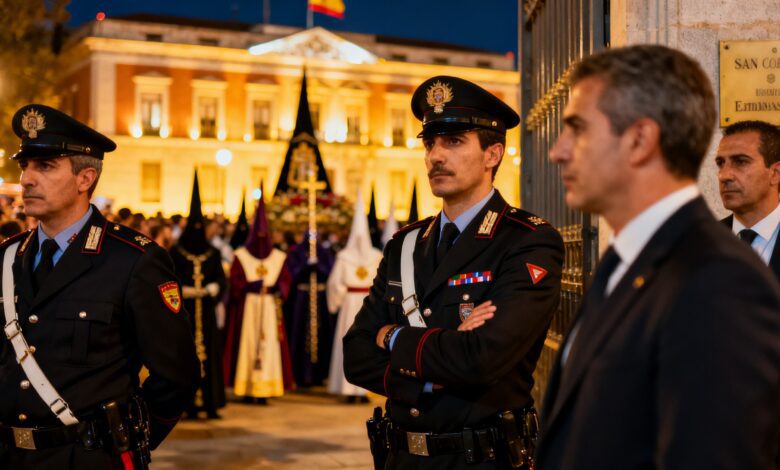
In recent weeks, Spain has been in the spotlight due to a sharp tightening of security measures. The reason is concern that the escalation of the conflict between the US and Iran, as well as ongoing instability in the Middle East, could impact European countries. For Spaniards, this means not only new restrictions, but also additional checks at places where crowds gather—directly affecting daily routines and business operations.
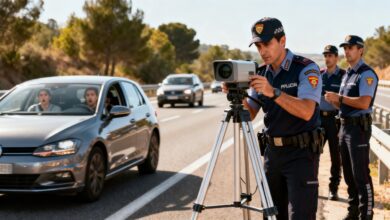
The Ministry of the Interior has instructed the Guardia Civil and Policía Nacional to increase security at sites linked to foreign states, especially during Semana Santa. These days see mass events across the country, raising security risks. As Infobae notes, special attention is given to facilities related to France, Sweden, Denmark, as well as the interests of the US and the UK. Priority sites include embassies, educational institutions, economic centers, and places of religious significance.
Private sector under scrutiny
A key part of the new measures has been involving private security firms. According to the industry association, more than 1,500 such companies operate in Spain, employing over 91,000 people. Authorities require these firms not only to intensify patrols, but also regularly update staff skills, particularly at critical sites—transport hubs, shopping centers, and high-traffic infrastructure. Efforts focus on transport checks, access control, and monitoring areas where suspicious items or individuals might be concealed.
Cooperation between government agencies and the private sector is becoming a key part of the strategy. Authorities emphasize information sharing and joint exercises to improve readiness for possible incidents. Special attention is given to protecting sites associated with Israel, Turkey, Palestine, Lebanon, and Jordan, as well as safeguarding European Union interests in the country.
Cyberthreats and digital security
Alongside physical security, Spain is strengthening its protection against cyberthreats. The National Centre for the Protection of Critical Infrastructure informs owners and operators about new requirements and measures to prevent attacks. During periods of heightened security, special cyber patrols monitor network and system safety. There are nearly 470 sites in the country considered particularly vulnerable to digital attacks.
In recent years, there has been a rise in the number of arrests on suspicion of involvement in terrorist activities. According to Infobae, in 2025 alone, one hundred people were detained, nearly half of whom were under 25. Those arrested included citizens from various countries, including Morocco, France, Ukraine, Albania, Syria, and Spain. This highlights the international nature of the threat and the need for a comprehensive approach to security.
Authorities’ response and new challenges
Minister of the Interior Fernando Grande-Marlaska held an emergency meeting to assess terrorist threats. The ministry is requiring private security companies not only to maintain a high level of training, but also to pay special attention to access control, vehicle inspections, and monitoring of suspicious areas. These enhanced measures apply not only to major cities, but also to smaller towns hosting public events.
Authorities emphasize that these new measures are not temporary, but part of a long-term strategy to protect both the population and the economy. Increased oversight covers all sectors—from transportation and education to religious sites and shopping centers. According to russpain.com, such steps may set a new standard for European countries amid rising international threats.
In recent years, Europe has experienced waves of heightened security measures amid international crises. After the attacks in Paris and Brussels, many EU countries tightened border controls and increased intelligence cooperation. In Spain, similar steps were taken during major holidays and mass events, helping to prevent several incidents. However, the current situation stands out for its scale and the involvement of the private sector, making it unique for the region.