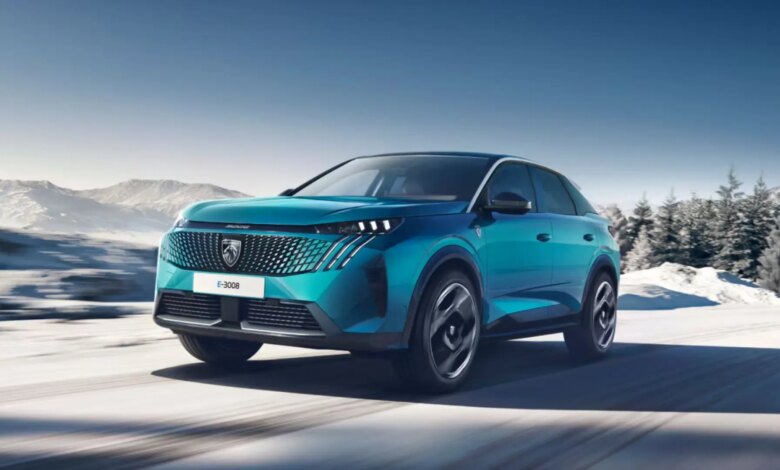
The transition to the new Peugeot 3008 version with a 225 hp hybrid system came as a real shock for those hoping for an affordable entry into the world of electrified SUVs. The French manufacturer unceremoniously retired the previous 190 hp version, which was until recently considered the sweet spot between price and capabilities. Now, buyers are offered not only more power and extended range, but also a noticeably higher price tag. At a time when every euro counts, such decisions seem to challenge common sense—or at the very least, put customer loyalty to the brand to the test.
However, Peugeot is not alone in its drive to raise the stakes. The European hybrid and electric car market has long become an arena where manufacturers compete not just in technology, but in convincing customers that progress comes at a price. By the way, if anyone thinks only the French know how to surprise, just look at how Chinese electric vehicles are already setting their own rules on the European market — and doing so much more aggressively.
Technology and reality
The new Peugeot 3008 PHEV doesn’t just boast more power. This is a full-scale upgrade: a lithium-ion battery with higher energy density, an updated management system, and revamped software. All this has led to a longer electric driving range — many owners can now forget about gasoline for city trips. But, as often happens, every extra minute of autonomy comes at a price, and not just in euros but in nerves as you glance at the final sum in the price list.
However, Peugeot hasn’t cut corners on equipment. The Allure version now comes fully loaded: from advanced driver-assist features to interior materials that clearly signal its ambitions to rival German premium brands. Inside, everything looks upscale and modern, but the real question is — are buyers willing to pay for this when there are plenty of alternatives on the market?
Market and competitors
With the departure of the 190-horsepower version, Peugeot has effectively removed the option of a more affordable hybrid for buyers. Now 225 hp is the only choice for those who want to avoid paying extra for the top all-wheel-drive trims. This step is clearly aimed at simplifying the lineup and making the choice obvious, but in reality, it’s more like being offered only one type of coffee — and, of course, it’s the most expensive one.
While competitors are in no hurry to abandon less powerful and more affordable versions, the French approach seems questionable. Especially considering that many hybrid buyers choose them not for their performance, but for savings and environmental friendliness. Now, the savings are nothing but a dream, and eco-friendliness remains only in the brochures.
Practice and Expectations
In urban settings, the updated 3008 can genuinely surprise: the regenerative braking system works more efficiently, and the electric-only range allows you to forget about gasoline for short trips. But once you leave the city limits, you have to remember the compromises. Yes, acceleration has become livelier, but real fuel savings depend on how often the owner charges the car from an outlet. If you neglect this even for a few days, consumption immediately returns to typical levels for gasoline crossovers.
Nevertheless, Peugeot makes no secret of its ambitions: the focus is on those willing to pay for technology and comfort rather than savings. For these buyers, the updated 3008 can truly be an appealing choice, especially when compared to other European brands that charge even more for similar features.
Peugeot is one of Europe’s oldest car brands, which in recent years has focused on electrification and technology. The company is actively updating its model lineup, aiming for leadership in the hybrid and electric vehicle segment. The 3008 became a symbol of the brand’s move to new standards, combining cutting-edge technology, premium design, and the ambition to compete with the market’s leading players. The French approach to innovation often sparks debate, but it is precisely these decisions that keep the brand in the spotlight and allow it to continue setting trends in the European automotive industry.