The American authorities have decided that caring for the environment is a luxury only affordable in good times. Now, manufacturers of gasoline and diesel vehicles can breathe a sigh of relief: no more mandatory filters, sensors, or other “green” excesses. In return comes the promise to cut costs on every car and make vehicles more affordable for ordinary people. But the environmental price of this “gift” for future generations, it seems, doesn’t concern anyone.
While Europe relentlessly imposes new restrictions, the United States under Donald Trump (Donald Trump) is moving demonstratively in the opposite direction. The Environmental Protection Agency (EPA) has announced the most sweeping deregulation in the country’s history: from 2012 to 2027, all greenhouse gas emission standards for automobiles are canceled. Now, even the “dirtiest” engines are no longer considered hazardous—simply because officials have decided so.
Instead of fighting emissions, the focus is now on cutting costs. American officials insist that previous regulations only drove up car prices and limited choices for buyers. According to their estimates, every new car will now cost at least $2,400 less, and total savings for the country will exceed $1.3 trillion. However, even experts question these figures: the calculations include not only direct expenses but also “avoided” spending on electric vehicles and their infrastructure, which can now simply be crossed out of the budget.
Politics Unfiltered
The EPA decision is not just an economic move, but an outright political gesture. Donald Trump openly shows disdain for the ‘green’ agenda of his predecessors. In his view, all these regulations were imposed on the country by Democrats to complicate life for automakers and drivers. Now, with these restrictions lifted, the American auto industry can return to its roots: powerful engines, minimal electronics, and no concerns about emissions.
Особенно показательно, что вместе с экологическими стандартами отменяется и обязательная функция start/stop, которую многие водители считали бесполезной и раздражающей. Теперь никто не будет заставлять мотор глохнуть на каждом светофоре ради мнимой экономии топлива. Производители ликуют: меньше затрат на разработку и сертификацию, больше свободы для инженеров и маркетологов.
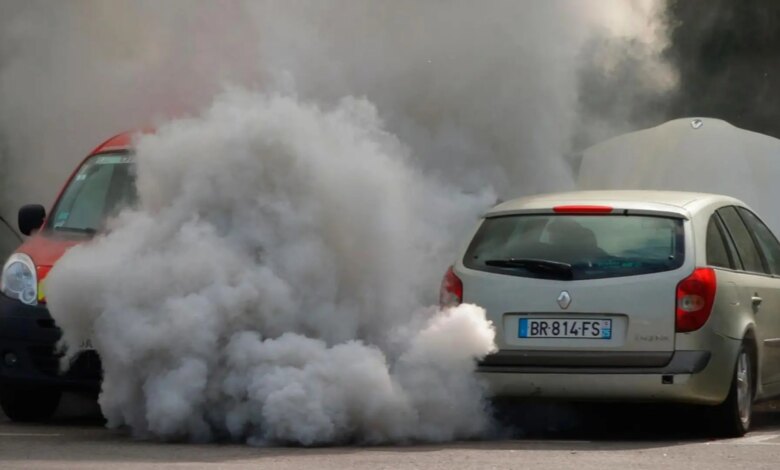
However, beneath the façade of cost savings lies a clear threat: increased greenhouse gas emissions, worsening air quality, and, consequently, new health problems for the public. Still, it seems the White House has decided these issues can wait—with affordability and cheaper cars now the top priority.
Electric cars sidelined
It’s symbolic that not only environmentalists, but even giants like Tesla have come under fire. Donald Trump openly displays his indifference to the future of electric vehicles, even if it could hurt Elon Musk’s (Elon Musk) business. In the U.S., people no longer want to hear about ‘green’ technologies, which the current administration believes only hinder the growth of the traditional auto industry.
Unlike in Europe, where electric cars are gaining popularity, America is doubling down on the good old internal combustion engine. Ironically, amid these developments, electric vehicles are already pushing gasoline cars out of the market in China—as was clearly demonstrated by a recent sales record when affordable Geely electric crossovers practically exploded onto the market and now threaten European manufacturers.
In the U.S., by contrast, electric cars are starting to seem like exotic novelties for progress enthusiasts. Most buyers still prefer tried-and-true gasoline and diesel models, while the government is only fueling the fire by canceling any incentives for switching to electric.
Law and irony
Interestingly, the EPA has officially admitted that previous restrictions lacked sufficient legal grounds. Now, all emission regulation matters have been handed over to Congress, which, as is well known, is in no rush to make unpopular decisions. As a result, the fate of American environmental policy depends more on political games than on scientific data or concern for the future.
Instead of debating tariff increases or military operations, lawmakers will now decide whether car emissions should be regulated at all. The irony is that in the 21st century, the world’s largest economy is consciously turning its back on pollution control, hiding behind slogans about free markets and benefits for consumers.
While Europe and Asia focus on innovation and the environment, the US is returning to the traditions of the last century. Winners are the auto giants and those dreaming of cheap, powerful cars. Losers are everyone else who cares about what their children and grandchildren breathe.
Donald Trump is a figure who needs no introduction. The former US president, billionaire, and media tycoon is known for his headline-making statements and radical decisions. His policies toward the auto industry have always shown disregard for environmental standards and prioritized economic gain. It was under his leadership that American carmakers got a carte blanche to revert to old technologies, and the fight against emissions became the subject of ridicule. For some, he symbolizes freedom and independence; for others, he embodies irresponsibility and selfishness.