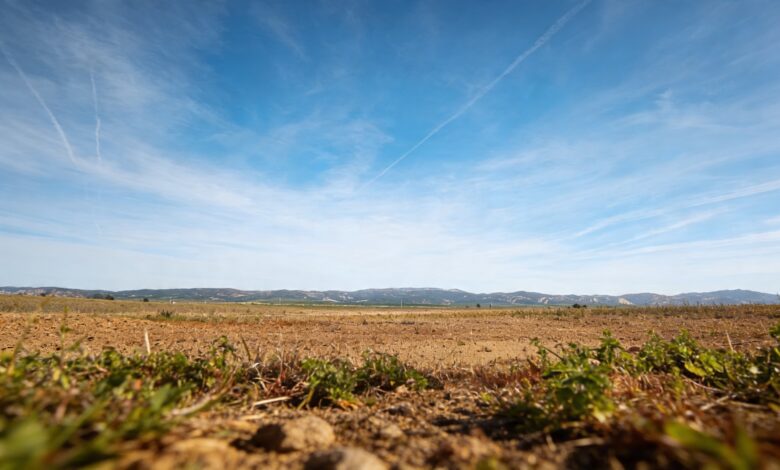
In Andalusia, Spain’s largest wetland complex, La Janda, has once again been completely drained just a month after record rainfall. Although the country’s reservoirs are nearly 84% full and the Guadalete-Barbate basin even exceeds this figure, 6,125 hectares of public land in Cádiz remain without water. As El Pais notes, the reason is the artificial drainage system implemented since the mid-20th century by the Franco regime to transfer land to major agribusinesses.
A historic decision and its consequences
In the mid-1940s, the authorities justified draining La Janda as a fight against malaria, but in practice, vast areas were handed over for agricultural production. Similar measures affected other regions as well—Lagoa de Antela in Galicia and La Nava in Castile and León. In Andalusia, drainage canals, which local experts say are wide enough for trucks to drive through, remain open to this day. Most of the former wetlands are used by large agribusinesses, notably Las Lomas, owned by the Mora-Figueroa Domecq family, one of the largest recipients of European agricultural subsidies.
The challenge of restoration
Despite the fact that back in 1967 the Supreme Court declared more than 6,000 hectares of La Janda to be state property, none of the administrations have initiated any real process of returning these lands. According to El Pais, the drainage led to a massive population outflow: up to 60% of residents left the region, and dozens of municipalities lost their sources of development. In other regions where similar works were carried out, ecosystem restoration projects have already begun. In La Nava, for example, part of the territory has been restored, bringing economic returns and new jobs.
Current initiatives and obstacles
The authorities of Spain and Andalusia declare their readiness to discuss the restoration of La Janda, but in the region’s strategic documents up to 2033 this issue is not reflected. Public organizations demand that the project be included in land and basin management plans, citing support from local municipalities and court decisions. For now, a dozen environmental groups together with the municipality of Barbate have taken over the management of part of the Hazas de la Suerte communal lands to practically demonstrate the possibility of restoring the wetland system.
Threat of water bodies disappearing
The issue of La Janda is part of a broader trend. According to a study by the Estación Biológica de Doñana and the Universidad Autónoma de Madrid, 22% of temporary lagoons in Spain have disappeared over the past 20 years. The main causes are intensive agriculture, land reclamation, plowing, and artificial channels. Scientists emphasize that most of the negative consequences can be prevented if measures are taken: expanding protected areas, implementing monitoring, and promoting environmentally friendly agricultural technologies. In their view, the restoration of wetland complexes should be a priority, as such ecosystems regulate climate, store carbon, support biodiversity, and benefit local communities.