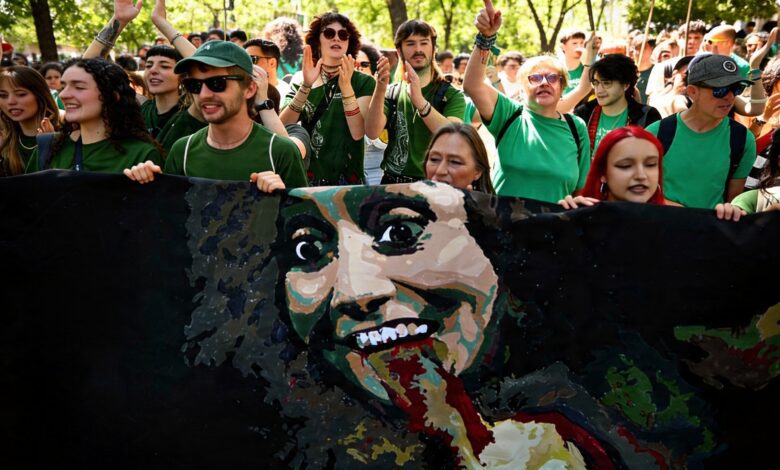
In Madrid, 50,000 people took to the streets demanding an end to cutbacks and “institutional indifference” toward the public education system. According to El Pais, teachers, students, and parents from kindergartens to universities took part in the demonstration. The march started at Atocha and went through the city’s main streets, culminating at Puerta del Sol. Participants carried signs with slogans such as “sin educación no hay futuro” and “la educación no se vende,” emphasizing that they believe the current situation is critical for the future of education in the region.
General demands
The protest united representatives from all levels of education. Key demands included increased funding, reduced workload for teachers, improved conditions for students, and a stop to cuts in administrative staff. Particular attention was paid to issues in special needs education, where participants noted a chronic shortage of resources and staff. There were also calls to raise salaries and reduce class sizes, especially in institutions for children aged 0 to 3 years.
Nurseries and schools
This time, particular attention was drawn to early childhood education teachers (Infantil), who have been on an indefinite strike since April. According to representatives of the Plataforma Laboral de Escuelas Infantiles (PLEI), their main demands are reducing class sizes and increasing salaries, especially in municipal institutions where incomes are close to the minimum wage. Secondary school teachers again raised the issue of the need to reduce teaching workloads, while Formación Profesional instructors insisted on expanding the number of publicly funded spots so that students would not be forced to transfer to private centers.
Universities and funding
University professors expressed dissatisfaction with the new multi-year funding agreement signed between the Madrid government and university rectors. In their view, the announced budget increase does not solve the problem of chronic underfunding, and part of the financing is effectively shifted onto families through tuition fees. In a joint statement, the platforms emphasized that they see this as an attempt to reduce protest activity without addressing the underlying issues.
Growth in private school support
The event organizers drew attention to the trend of increased funding for private and semi-public educational institutions. According to them, in recent years the Madrid authorities have been cutting the number of groups in public kindergartens and schools, while simultaneously increasing support for the private sector, including at non-compulsory levels — bachillerato, Formación Profesional, and the first cycle of Infantil. In the participants’ view, this leads to further weakening of the public education system.
Context and response
Preparation for the event took more than a year, and, as representatives from various educational communities note, this is the first time it has been possible to unite the efforts of all levels — from early childhood education to universities. They declare that they are ready to continue fighting for decent working conditions and high-quality free education for all. The mass protests in Madrid are taking place against the backdrop of other notable events in the country: for example, Málaga recently recorded record hotel occupancy despite transport problems, which also became a topic of public discussion (more on the situation in Málaga).