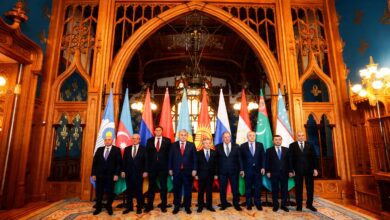
In Spain, María Corina Machado’s visit is being widely discussed, becoming a significant event for the country’s political scene. Her refusal to meet with Pedro Sánchez has raised questions about the future of dialogue between Madrid and Caracas. According to El Pais, Machado’s decision is linked to the outcomes of the summit in Barcelona, where statements were made that could shift the balance of power in Spain-Venezuela relations.
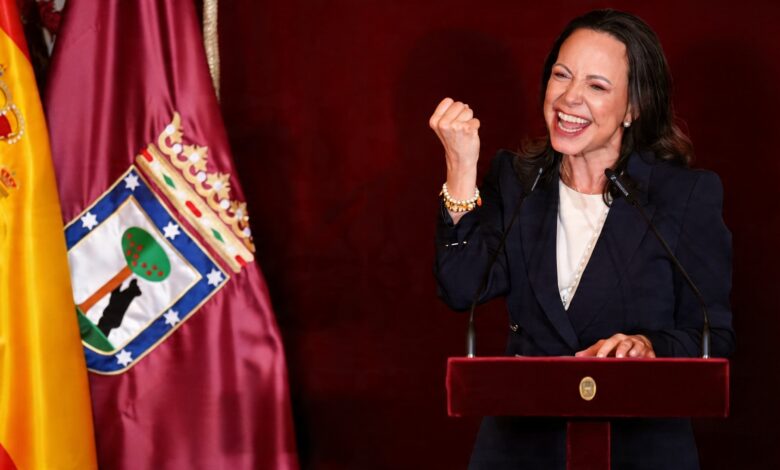
During her few days in Madrid, Machado met with opposition leaders, received a symbolic award from the city’s mayor, and addressed the Venezuelan diaspora. Her schedule did not allow for talks with the head of the Spanish government. As El Pais notes, Machado believes that after the statements made at the Barcelona summit, a meeting with Sánchez no longer made sense. She emphasized that some summit participants are hindering democratic changes in Venezuela, though she did not mention names directly.
Challenges for the opposition
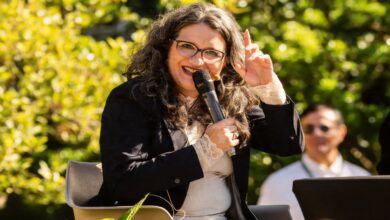
At a press conference, Machado touched on issues concerning not only Venezuelans but also Spanish society. She spoke about her plans to return home, noting that this move is coordinated with the United States. According to her, the security situation remains tense: the recent detentions of opposition politicians at Caracas airport are seen as a warning to anyone intending to continue the fight for change.
Machado also commented on the proposals of Colombian President Gustavo Petro to form a coalition government in Venezuela. She expressed doubts about the effectiveness of such initiatives, recalling that previously the international community had called on the opposition to participate in elections despite their lack of transparency, but now fears a genuine vote. In her statements, there was criticism of several Latin American leaders, but the main focus was on Venezuela’s internal situation and the role of key figures in the regime.
Internal Disagreements
Machado paid particular attention to the actions of Venezuela’s interim leader Delcy Rodríguez, stating that she acts on instructions from outside forces. The opposition leader emphasized that the struggle in the country has become not only political but also ethical: in her view, it is now impossible to remain neutral when it comes to the rights and freedoms of citizens.
Machado commented on the issue of Venezuela’s return to the International Monetary Fund as a step that should lead to greater transparency in the country’s economy. She noted that the authorities are now obliged to disclose data on reserves, revenues, and debts, which raises concerns among the current regime.
Emotions and Support
During her visit to Madrid, Machado did not hide her emotions: she met with former allies who had been forced to leave the country and supported journalists who found themselves in exile. These moments highlighted how deeply the crisis in Venezuela has affected not only politicians but also ordinary citizens.
According to El Pais, Machado’s team reacted negatively to the criticism voiced at the Barcelona summit, but chose not to escalate the conflict publicly. The focus remained on the need for change within Venezuela itself and supporting those who continue the fight for democracy.
Context and consequences
In recent years, Spain has repeatedly become a venue for discussing the Venezuelan crisis. In 2026, attention to the issue increased amid new political initiatives and changes in international relations. The surge of interest in events in Latin America coincided with discussions on other important topics, such as climate challenges: for example, forecasts for the rare climate phenomenon El Niño also sparked wide resonance among Spaniards.
In recent months, debates have intensified in Spain regarding the country’s role in supporting democratic processes abroad. In 2025, similar visits by opposition representatives from other countries were discussed, highlighting Madrid’s significance as a center for political dialogue. The impact of international summits and decisions made there continues to influence Spain’s domestic and foreign policy, as well as the lives of thousands of people living in exile.