Spain’s decision to take part in the international conference on the situation in the Strait of Hormuz is an important signal for the entire country. Given that a significant share of global oil shipments pass through this strategic waterway, any shift in Madrid’s position can impact the economy and national security. Previously, the Spanish government refrained from participating in such initiatives, fearing heightened tensions in the Middle East. However, the approach has now changed.
As El Pais reports, Spain’s Foreign Minister will join a videoconference organized by French President Emmanuel Macron and UK Prime Minister Keir Starmer. The meeting will be held in Paris, while Spain’s representative will connect from Barcelona, where the Spain-Brazil summit will take place at the same time. Earlier in March, Spain declined to take part in a similar meeting, citing a desire to avoid escalating the regional conflict and preferring diplomatic efforts.
A shift in approach
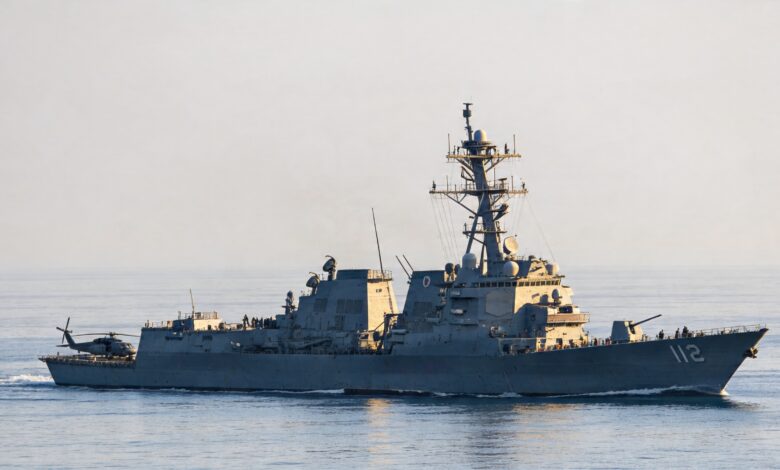
Now Spain has agreed to join discussions focused on a possible multinational mission to ensure maritime security in the Strait of Hormuz. According to El Pais, the proposed mission is strictly defensive, involving only countries not engaged in military actions. The main goal is to restore safe navigation for ships as soon as security conditions allow.
Spanish authorities emphasize that their refusal to attend the first meeting could have been interpreted ambiguously. The government expresses concern over the situation in Hormuz, as around 20% of the world’s oil exports pass through this strait. Spain insists on the need for freedom of navigation, but categorically rules out participation in any military operations related to the conflict between Iran and other countries, including possible actions in Hormuz itself.
Conditions for participation
Despite a new openness to dialogue, Madrid maintains a tough stance: participation in military missions is only possible after the end of the war and solely under the auspices of the UN. This scenario is currently seen as preliminary and depends on achieving peace and establishing a ceasefire in the region. The government stresses that any decisions will be made only after coordination with international organizations and if security guarantees are in place.
Questions about Spain’s role in international missions have been raised before. Looking back at recent events, it is worth noting that after the tragedy on the Adamuz railway, decisions by national bodies also sparked debate and have been subject to investigations. For example, the scandal over rail replacement after the Adamuz accident highlighted how a rapid change in government policy can influence public opinion and trust in state institutions.
Context and consequences
The situation around the Strait of Hormuz remains tense due to the standoff between Iran and the US, as well as the risk of disruptions in oil supplies. For Spain, a country dependent on stable energy flows, any changes in the region could have a direct impact on the economy and fuel prices. The decision on potential participation in future UN-led missions could be an important step in strengthening Spain’s position on the international stage.
In recent years, Spain has repeatedly faced the need to reassess its role in international operations. For example, taking part in maritime security missions in the Mediterranean or supporting humanitarian initiatives in Africa. Each time, such decisions have been made considering national interests and international commitments. The issue of freedom of navigation and the security of transport corridors remains one of the key priorities for the country’s foreign policy.
The Strait of Hormuz is one of the world’s most important maritime routes for oil trade. A significant portion of tankers transporting crude from Persian Gulf countries passes through it daily. Any restrictions or security threats in this region immediately impact global markets and drive up energy prices. In recent years, the international community has repeatedly discussed joint measures to protect shipping, but agreeing on a unified strategy has not always been possible. Like other European countries, Spain is forced to consider not only economic but also political risks associated with participating in such missions.