Alicante has made a decision that directly affects the region’s cultural life: the famous Romería de la Santa Faz has been granted the status of intangible cultural heritage. This is an important event for residents of the Valencian Community, as it concerns a tradition that brings together more than 300,000 people yearly. The new status not only strengthens protection of the festival, but also guarantees additional resources for its preservation—especially relevant amid recent political disagreements surrounding the event.
As El Pais notes, last year the absence of Carlos Mazón, then head of the Generalitat, sparked a wave of criticism and debate. His successor, Juanfran Pérez Llorca, set out to change the situation and announced the recognition of Santa Faz as a cultural treasure. This move marked the third attempt to achieve such status for Spain’s second-largest pilgrimage procession after El Rocío. Now, this tradition, which dates back to the 15th century, receives not just symbolic acknowledgment but also tangible support from authorities.
Two sides of the festival
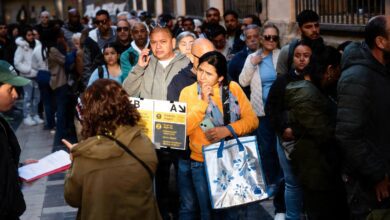
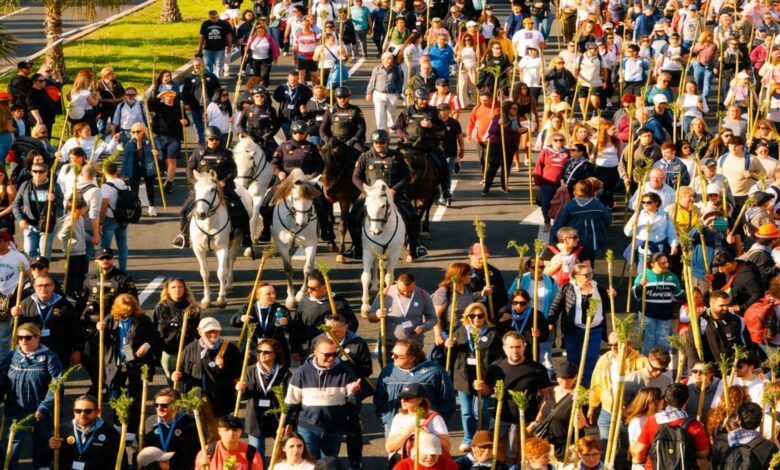
The Santa Faz pilgrimage has long been an integral part of Alicante’s spring calendar. On one hand, this is a religious event dedicated to the veneration of a relic believed to be a piece of Veronica’s veil. On the other, it is a large popular festivity, when thousands of residents walk from the San Nicolás Cathedral to the Santa Faz Monastery, covering 7.5 kilometers. The official program includes a mass and a fair, while the informal celebrations feature picnics outdoors and gatherings on the beaches, where people traditionally eat mona.
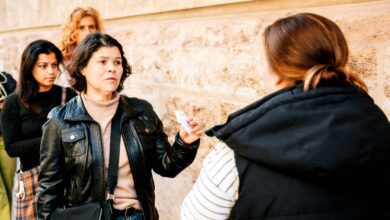
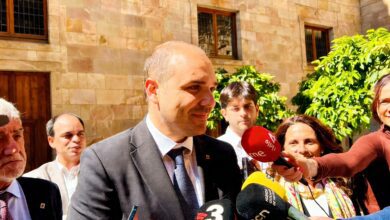
This year, regional political leaders once again found themselves in the spotlight. Members of the Partido Popular, including Pérez Llorca and Alicante’s mayor Luis Barcala, chose to focus on the holiday itself and avoid contentious topics. Despite criticism over the distribution of municipal housing, Barcala emphasized the historical importance of Santa Faz for the city. In his words, official recognition of the celebration reflects centuries of devotion and marks an important step for preserving Alicante’s identity.
Political disagreements
The opposition, in contrast, used attention to the event to raise concerns about scandals surrounding housing allocation and other matters. Science minister Diana Morant supported the decision to recognize Santa Faz, but at the same time again demanded the mayor’s resignation over the Les Naus case. She pointed out that legal changes initiated by Mazón and endorsed by Pérez Llorca reduced oversight and allowed apartments to be granted to people with high incomes or party ties.
The PSPV secretary also called on Vice President of the Council Susana Camarero to return housing to those who truly need it and to review controversial decisions. Compromís representative Aitana Mas added criticism regarding the shopping voucher scandal, which resulted in the arrest of the head of the Alicante Chamber of Commerce. In her view, authorities should explain their actions instead of looking for similar cases among their opponents.
Traditions and safety
Despite political disputes, the Romería itself went off peacefully and without major incidents. Pilgrims, dressed in traditional black shirts and blue-and-white scarves, took part in handing out 15,000 sprigs of rosemary and stopped halfway to enjoy anise buns and mistela. Authorities focused particularly on alcohol control and set up two support centers for potential victims of violence.
Those who took the official route attended a mass led by Orihuela-Alicante bishop José Ignacio Munilla. In his sermon, he spoke out against the legalization of abortion and compared its consequences to those of armed conflict, stressing that protecting the defenseless is a key responsibility of society.
Context and related events
In recent years, Spain has increasingly focused on preserving its intangible cultural heritage. For example, in 2025, the BIC status was granted to the traditional Las Fallas festival in Valencia, attracting additional investment and boosting the region’s tourism appeal. Similar decisions have been made regarding other major events, such as Semana Santa in Seville and El Rocío in Andalusia. These measures underline how official recognition of traditions is becoming an important tool for supporting local identity and promoting domestic tourism.