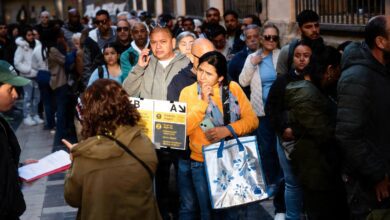
A sharp political conflict has erupted once again in Madrid over the government’s decision to implement mass legalization of migrants. For the city’s residents, this could mean potential changes in the operation of public services and social infrastructure. The issue affects not only the economy but also the political balance in the region, making the situation particularly significant for all of Spain.
As El Pais reports, this week new details of the legalization process emerged, requiring all applicants to provide a criminal record certificate. This decision sparked a heated response in the Madrid Assembly, where debate on migration policy has become especially intense. Regional president Isabel Díaz Ayuso announced plans to challenge the decree, arguing that it threatens the stability of the capital. She claims that an influx of new residents could overwhelm city services, although in past years similar measures have not led to systemic breakdowns.
Political disagreements
Domestic political tensions have heightened ahead of Madrid’s upcoming elections. According to El Pais, Ayuso is intensifying her anti-migration rhetoric to retain voter support and avoid ceding ground to the Vox party. Meanwhile, PSOE representatives emphasize that the decision is backed by both the business community and the church, with only Ayuso and Vox opposing it. The Assembly is preparing for heated debates, as each side plans to defend its stance on legalization.
Ayuso pays special attention to migrants from Muslim countries, viewing them as a potential threat to the city’s cultural identity. She claims that Madrid could face the same issues as France, where, in her opinion, migration has changed the face of society. At the same time, she highlights the positive contributions of Latin Americans to the life of the capital, underscoring her selective approach to the migration issue.
Arguments from both sides
Opponents of legalization fear that a massive influx of new residents will increase pressure on schools, hospitals, and other social services. They believe the government is using migration policy to change the country’s demographic makeup to its own advantage. Supporters of the reform, on the other hand, are confident that legalization will bring thousands of people already living and working in Spain out of the shadows and help the regional economy.
The debate involves not only major parties, but also left-wing groups such as Más Madrid. They stress the need for a humane approach and the integration of migrants into society. Heated debates are expected in the Assembly, with each faction striving to communicate its position to voters.
Implications for Madrid
The decision to legalize could shift the balance of power in Madrid politics and influence the outcome of future elections. Regional authorities fear that the new rules may heighten social tensions and disrupt the established way of life. However, past experience shows that such measures do not always lead to negative consequences and can sometimes even boost the economy and improve the job market.
In recent years, Spain has already faced waves of migrant legalization. For example, in the early 2000s, similar initiatives were introduced under José María Aznar and José Luis Rodríguez Zapatero. At that time, fears about overwhelming the infrastructure did not come true, and many legalized migrants integrated successfully. Nevertheless, each new phase of reforms sparks fresh debates and concerns, highlighting the complexity and many facets of the migration issue for the country.