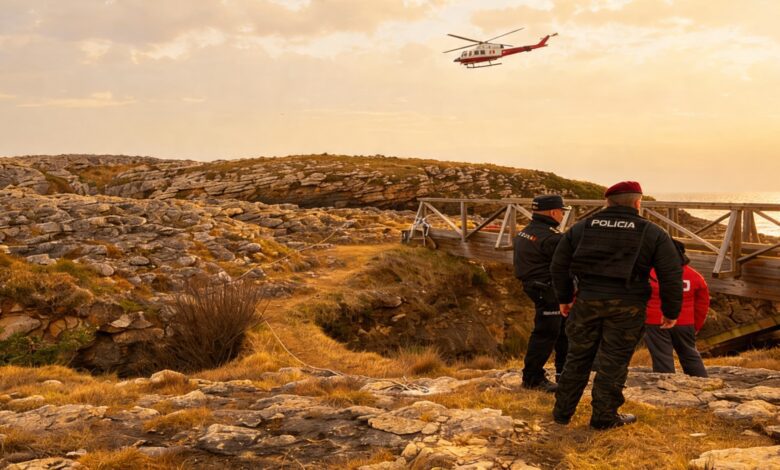
The tragedy on the Santander footbridge has served as a wake-up call for all of Spain. After the deaths of six young people, public scrutiny of infrastructure conditions and safety issues has intensified sharply. The expert report on the case revealed not only technical failures but also systemic shortcomings in the approach to maintaining such structures.
According to El Pais, the collapse was caused by corrosion of the metal components connecting the main and secondary beams. The court-appointed expert stressed that such damage would not have gone unnoticed during a routine visual inspection. However, he noted that there were neither regular inspections nor a maintenance plan for this footbridge, and previous work had been limited to replacing railings without addressing the load-bearing elements.
Causes and details of the accident
The expert report indicates that the failure began at one of the main support points, likely on the southern side of the structure. When that connection gave way, the load shifted to the remaining supports, triggering a chain reaction and total deck collapse. Special attention was given to the state of the metal fastenings: they were so damaged by corrosion that some pieces literally crumbled in the specialist’s hands during inspection.
The repairs carried out in the summer of 2024 did not affect the wooden components, the metal fittings, or the bolts responsible for the structure’s durability. The work focused exclusively on preventing people from falling from the sides, but did not address the overall safety of the footbridge. The expert also noted deviations from the original 2012 plan: instead of solid ten-meter beams, shortened elements were used, which he believes accelerated the deterioration process.
Failures in oversight and their consequences
The report emphasizes that a lack of systematic maintenance and negligence during inspections were key factors in the tragedy. Even when inspections did take place, their quality was insufficient to detect critical defects. According to the expert, if the project had been carried out fully according to the original plans, the structure might have failed more slowly and less dramatically, potentially preventing casualties.
The victims were students from various regions of Spain: three from Bizkaia, one from Cantabria, one from Guadalajara, and one from Almería. Another girl from Álava was seriously injured and hospitalized. They were all classmates and on the footbridge at the time of the collapse.
Reaction and impact for Spain
The incident sparked widespread public outcry and cast doubt on the effectiveness of existing safety standards at such sites across the country. Authorities in Cantabria and other regions have begun reviewing regulations for the technical maintenance of bridges and footbridges, and have launched unscheduled inspections of the most vulnerable structures. According to El Pais, there is discussion about introducing mandatory annual inspections and tightening oversight of repair work.
In recent years, Spain has already seen incidents involving the collapse of bridges and other engineering structures. For example, in Galicia in 2023, an old bridge over a river was partially destroyed, leading to a temporary shutdown of traffic and urgent repairs. In Catalonia in 2025, severe corrosion was found on one of the pedestrian overpasses, forcing authorities to close the site until all defects were corrected. These cases highlight the importance of regular monitoring and timely maintenance of infrastructure to prevent further tragedies.