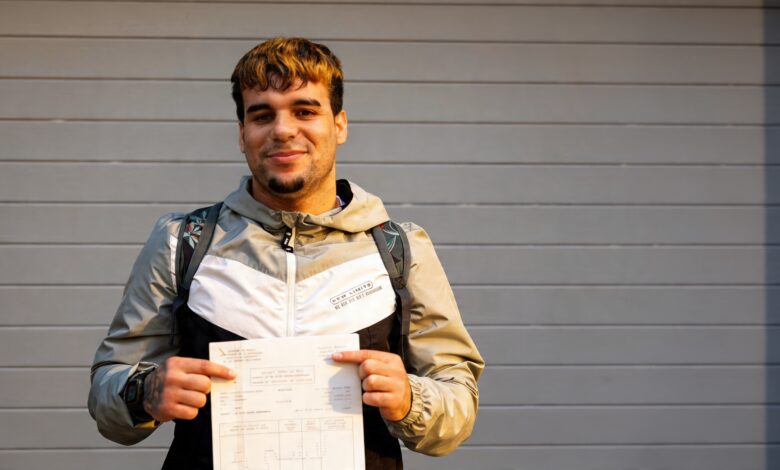
Spain has launched a large-scale legalization process for migrants, and for thousands of Moroccans, the certificate of no criminal record from the consulate has become a crucial document. Without this official confirmation, it is impossible to obtain a work and residence permit, which means staying in the shadows and relying on informal jobs. As El Pais reports, this document now determines the future of many families and impacts the country’s labor market.
In recent weeks, the flow of visitors to the Moroccan consulate in Barcelona has grown significantly. Young men and women working as couriers, construction workers, cooks, and caregivers are seeking the certificate proving they have not had a criminal record in their home country for the past five years. The service costs just three euros, but for many it opens the door to legal life. According to El Pais, the Moroccan community is the largest foreign group in Spain, and it was the first to respond to the new requirements.
Queues and new regulations
Since February, when the Spanish authorities announced the upcoming legalization and mandatory police clearance certificate, queues began to form at the consulate. Many Moroccans decided not to wait and applied in advance so as not to miss the opportunity. Currently, obtaining the certificate takes from two weeks to a month, which allows applicants to meet the June 30 deadline. For those unable to receive the certificate on time, it’s possible to submit an application with proof of request—then the Ministry of Justice will seek the document through diplomatic channels, and processing will be suspended for three months.
Unlike in other countries, where obtaining the certificate can take much longer, the process in Barcelona is running smoothly. The consulate even opened its doors on weekends so everyone could get the necessary paperwork in time. Around the building, a whole cluster of service businesses has sprung up: copy centers, translation bureaus, legal consultations, and cafés for those waiting. According to locals, the demand for translators and lawyers has surged—many prefer not to take chances and entrust the paperwork to professionals.
The cost of legalization
For most Moroccans, legalization is not only a chance for stable employment but also a significant expense. In addition to three euros for a certificate, translating it into Spanish costs 25 euros, and legal services add another 300. Still, many see these expenses as justified: legal status helps avoid exploitation and provides access to social benefits. Migrants themselves note that working without a contract often means harsh conditions and low pay, while legalization opens the door to jobs in their chosen field.
At the consulate, people from all walks of life line up—some work as couriers, others in construction or butcher shops, some juggle several jobs. For many, getting this certificate is the last step toward legalization. Some have already taken Spanish or Catalan classes to integrate faster. According to El Pais, even those who have just arrived in Spain are eager not to miss their chance to process their papers on time.
Challenges and prospects
Despite the faster process, some migrants still have concerns. For instance, some applicants are unsure how to prove their vulnerability—a further requirement for a permit. Not everyone can afford a lawyer, even though, in theory, legalization is possible without intermediaries. Nevertheless, most Moroccans believe the consulate certificate is the main hurdle, and overcoming it opens up new opportunities.
In recent weeks, the consulate has been operating at maximum capacity, but there are no longer lines outside. Staff are working to serve everyone quickly so that no one is left behind. According to migrants, obtaining the certificate takes no more than two weeks, and the translation about the same. For many, this is a chance to start a new life, find legal employment, and stop fearing document checks.
In recent years, Spain has already conducted migrant legalization campaigns, but the current one stands out for its scale and documentation requirements. In 2020, a similar initiative caused a rush among people from Latin America, and in 2012—among citizens of Eastern Europe. Each time, the main barrier was the criminal record certificate and proof of residence. Now, the Moroccan community is in the spotlight, and consulates are adapting their processes to the new reality. According to El Pais, such campaigns not only change migrants’ lives but also impact Spain’s economy and labor market.