Spain is once again in the spotlight due to the possible arrival of a powerful climate phenomenon capable of changing familiar weather patterns. According to RUSSPAIN.COM, the likelihood of the El Niño phenomenon activating in 2026 is 60%, with a 20% risk of it reaching high intensity. These figures are raising concerns among experts, as the consequences could affect not only the global climate but also the daily lives of Spaniards.
According to the latest data from the US National Oceanic and Atmospheric Administration (NOAA), ENSO-neutral conditions are expected to persist in the coming months, but by summer the probability of El Niño forming increases significantly. If a strong scenario develops, surface water temperatures in the eastern Pacific may exceed the norm by more than 2°C. This could trigger changes in weather patterns, including more frequent heatwaves, droughts, and even local floods in different parts of the world.
What is El Niño
El Niño is a complex interaction between the ocean and atmosphere in which warm water along the equator in the Pacific Ocean lingers off the coast of South America. Normally, trade winds push these warm waters toward Indonesia and New Guinea, but when winds weaken, the warm water remains in place. This disrupts the usual upwelling cycle—the rise of cold, nutrient-rich waters—which is vital for fishing and ecosystems.
As a result of these changes, evaporation intensifies, leading to more precipitation in some regions and droughts in others. For Spain, this means potential risks related to shifts in temperature patterns and rainfall distribution. However, according to AEMET, the direct impact of El Niño on the country’s summer months will be minimal. The main consequences are expected closer to autumn and winter, when the phenomenon reaches its peak strength.
Possible consequences
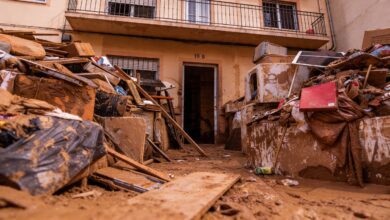
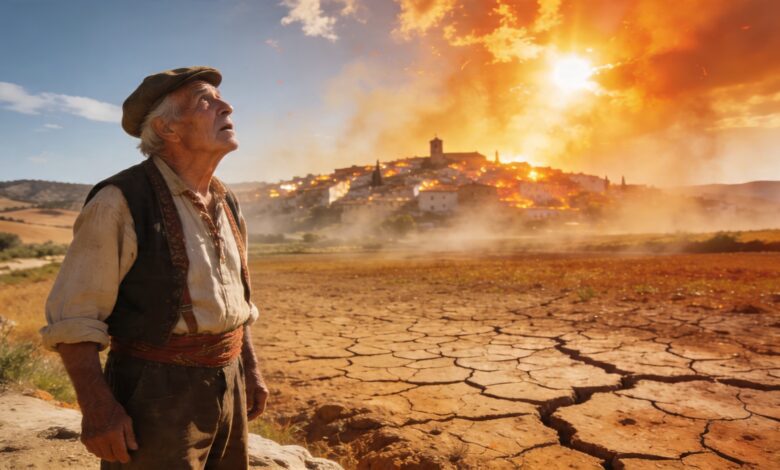
If El Niño does indeed manifest with high intensity, Spain could experience abnormal weather events. These may include longer and more frequent heatwaves, as well as an increased likelihood of droughts in certain areas. Meanwhile, other parts of the world could face heavy rains and flooding. It’s important to note that the impact of El Niño compounds the existing effects of global warming, amplifying the overall effect and making forecasts less predictable.
Experts emphasize that it is still too early to speak of the so-called ‘Super Niño’. Its probability is estimated at 20–25%, and much depends on wind patterns in the equatorial Pacific in the coming months. Nonetheless, attention to this phenomenon is growing, as even a moderate El Niño can alter normal seasonal patterns and affect agriculture, energy, and water supply.
Spain and the global context
In recent years, climate anomalies have become increasingly noticeable. For example, in 2023 Spain already experienced record temperatures and droughts, sparking widespread discussion among experts and the public. Against this backdrop, interest in El Niño forecasts continues to grow. According to AEMET, despite a high likelihood of the phenomenon forming, its impact on the summer of 2026 in Spain will be limited, as the process is only expected to begin around that time.
At the same time, the global consequences could be significant. In other countries, El Niño often leads to devastating floods, disruptions in food supplies, and economic losses. In Spain, however, the main focus is on preparing for possible weather changes and adapting infrastructure to new climate challenges. It is important to note that precise scenarios have yet to be determined, and experts are closely monitoring how the situation develops.
Background and latest developments
The surge of interest in climate phenomena in Spain has coincided with growing attention to other key issues related to changes in society and the media. For instance, a recent study on radio market dynamics revealed how rapidly citizens’ habits and expectations are shifting. Similarly, climate trends require constant analysis and readiness for change, as even small deviations from the norm can have serious consequences for the economy and social sphere.
El Niño is not the only climate phenomenon affecting Spain. In recent years, the country has also experienced La Niña, the opposite event, which brings intensified droughts and reduced rainfall. In 2015 and 2016, El Niño already caused significant weather changes worldwide, including in South America, Australia, and Africa. During that period, record temperatures were observed, agricultural disruptions occurred, and food prices rose. In Spain, the impact was less pronounced but still felt through extreme heat and unstable rainfall. Now, experts are closely watching how the situation will develop in 2026 and how well the country is prepared for new challenges.