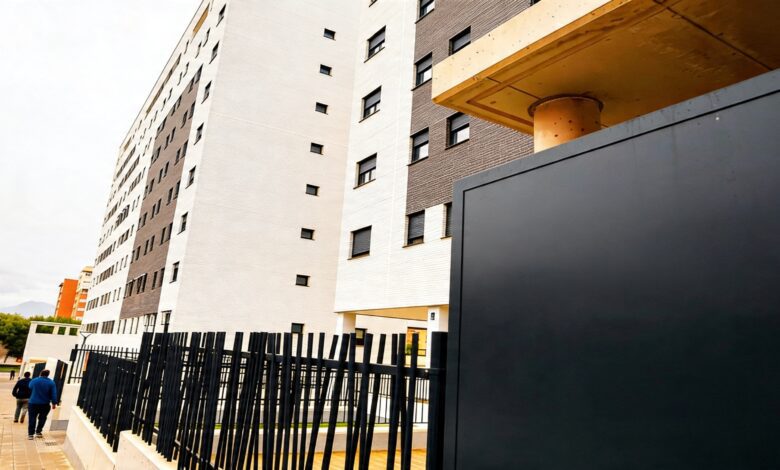
The scandal over the allocation of state-subsidized luxury apartments in Alicante has raised alarms across Spain. For the first time in two decades, a new batch of VPP (officially protected housing) appeared in the city, but the distribution process soon fell under scrutiny. As El Pais reports, an investigation revealed a near-total lack of oversight in housing allocation, with relatives and acquaintances of high-ranking officials among the beneficiaries.
During the court proceedings, three heads of territorial offices from the Vivienda department admitted there are no regulations requiring developers to thoroughly vet candidates. All documents for the disputed Les Naus development were processed by a single employee, who was later dismissed for helping his wife obtain an apartment. According to El Pais, this official handled 140 applications himself, without involving colleagues or conducting extra checks.
Who received the apartments
Among the new owners of luxury apartments are not only ordinary citizens but also local officials, their relatives, and people connected to the administration. The list includes sitting municipal deputy Rocío Gómez, the children of city department head María Pérez Hickman, as well as the ex-wife of the chief of staff from the Ministry of Tourism, Miguel Ángel Sánchez. All of them acquired spacious apartments with a garage and storage room in the prestigious Playa de San Juan district at about half the market price—around 200,000 euros.
It turned out that the developer independently decided who would receive the apartments, while the Vivienda department merely conducted a formal check of the submitted documents. The review was limited to an analysis of tax returns and a property registry extract, without investigating possible real estate ownership through companies or other assets. Furthermore, family composition was confirmed solely by personal declarations, opening the door for manipulation.
Regulatory gaps
Senior officials of the Vivienda department acknowledged that current legislation does not require developers to thoroughly verify that candidates meet the VPP criteria. This made it possible to bypass restrictions on income and property ownership. According to those involved in the process, these gaps are precisely what allowed apartments to go to people who did not need social assistance.
Authorities are now working to tighten regulations to prevent such cases in the future. The court proceedings are ongoing, and three department heads along with five technical specialists have been tasked with preparing a detailed report on the allocation of elite VPP units. The next hearing is scheduled for the 24th.
Reaction and consequences
The scandal sparked widespread public outcry. Representatives of opposition parties, including Ciudadanos lawyer Eduardo García-Ontiveros, stated that the Les Naus case illustrates how public housing turns into a “prize for the chosen.” He emphasized that for most Spaniards, access to VPP remains extremely difficult, and in this case, all basic requirements, especially regarding documentation and income, were disregarded.
In the context of this case, it’s worth remembering that similar issues of transparency and oversight in municipal structures have recently been discussed in Catalonia. For example, the introduction of a unified educational platform was a step toward reducing bureaucracy and building trust in public services. Such reforms could be a model for other regions where the fair distribution of resources remains a pressing issue.
In recent years, Spain has faced a growing number of scandals related to the allocation of housing and social support. In Valencia and Madrid, there have already been cases where subsidized apartments went to people who did not meet the criteria. This is pushing authorities to review procedures and tighten oversight to curb abuses and restore public trust in the system.